

Revista Fútbol Federal
By Mateo Ledesma
Huracán’s Stunning Clausura Surge
The summer transfer window is usually greeted in Parque Patricios with anxiety rather than anticipation. For Huracán supporters, it is the window that takes more than it gives. With European and Middle Eastern markets in full flow, Argentine clubs like Huracán often find themselves fighting battles they cannot financially win, hoping only to minimise the damage before the Torneo Clausura begins.
This year felt no different. In fact, it felt worse.
In the weeks leading up to the window, rumours swirled relentlessly around five names in particular: Darwin Guagua, Emilio Aristizábal, Rodrigo Cabral, Matko Miljevic, and the crown jewel of the project, Tahiel Peralta. As of writing, four of those five have been prised away.
Miljevic’s head was turned by Saudi money, departing for Al-Raed for $5m. Cabral followed, joining Coritiba for $5.25m. Guagua earned his dream move to Europe, signing for Sporting CP for $15m, a staggering profit after just twelve months. Then came the most painful blow of all: Emilio Aristizábal, Huracán’s top scorer and attacking reference point, sold for $14.25m to River Plate. An excellent piece of business on paper, considering his $1.4m arrival fee just 18 months earlier, but a seismic sporting loss nonetheless.
There were further departures that quietly added to the sense of depletion. Tomás Guidara left for Tigre for $850k, Iarley Alayo joined Talleres for $1.4m, and Sebastián Meza, once first-choice goalkeeper, moved to Internacional for just $180,000 with only five months remaining on his contract.
And yet, one name remains. Tahiel Peralta is still a Huracán player. Sources close to the negotiations tell me that Ajax submitted a bid in the region of $12m, rejected swiftly. With a reported release clause of $14.25m, this saga may not be over but for now, Huracán have held firm.
“We Won’t Panic”: A Conversation with Daniel Vega
In the immediate aftermath of these departures, I sat down with Daniel Vega, Huracán’s Director of Football, to discuss whether this exodus forced his hand.
“Of course it creates issues,” Vega admitted. “You lose goals, assists, leadership, familiarity. But we can’t react emotionally. The worst thing we could do is panic and bring in players who don’t fit Gabriel’s ideas just to calm the noise.”
I asked whether there was pressure, from fans or internally, to act aggressively in the market.
“The pressure is constant here,” he smiled. “But we judge windows over seasons, not weeks. We always said this project would be sustainable. That means selling well, reinvesting selectively, and trusting the structure.”
That trust has manifested in restraint. So far, only two players have arrived—and both on free transfers.
Quiet Moves, Smart Profiles
The first addressed a growing concern in midfield depth. With Jorge Rodríguez playing almost every minute as the lone defensive midfielder, Vega moved quickly to secure Tomás Belmonte,
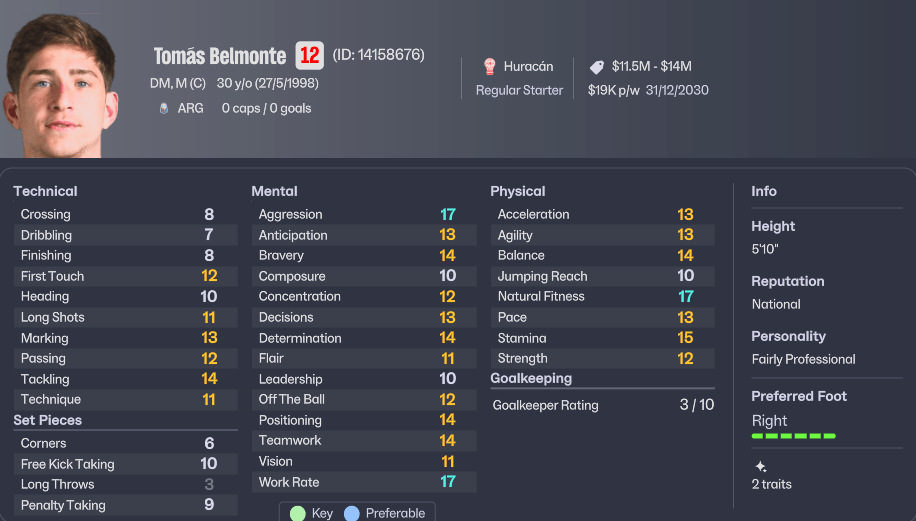
Released by Boca Juniors. At 30, Belmonte brings aggression, fitness, and a relentless work rate. Crucially, he complements Rodríguez rather than replacing him: a ball-winner who can also progress play under pressure.
The second signing was more intriguing. Following the departures of Miljevic, Guagua, and Aristizábal, attacking creativity looked dangerously thin. Vega responded with,
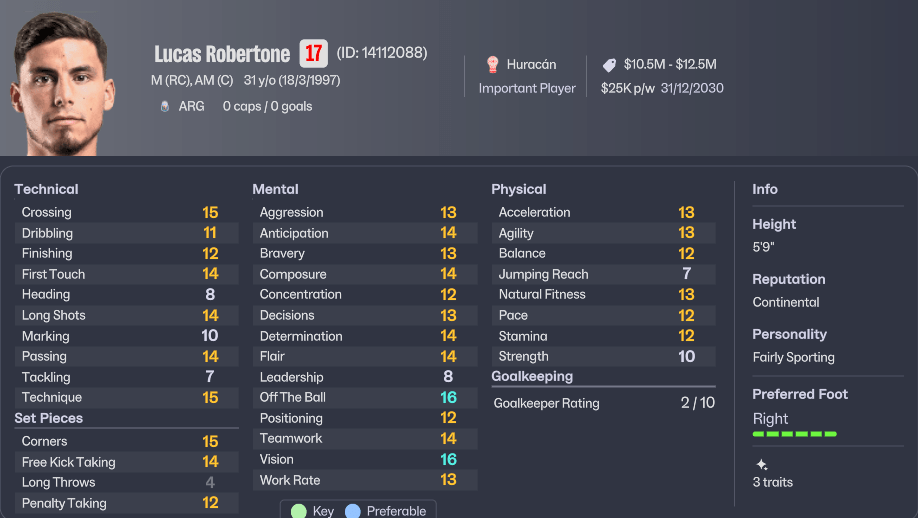
Lucas Robertone, a 31-year-old playmaker capable of operating across midfield and, as we have already seen, even as a false nine. Deployed imaginatively by Batistuta, Robertone has already contributed three assists in four matches, offering calm, vision, and positional intelligence.
To cover the striking depth, Aaron Silva was recalled from loan hardly glamorous, but practical.
Results That Silence Doubt
If supporters feared this window would derail Huracán’s season, the team’s response has been emphatic.
After five games of the Torneo Clausura, Huracán sit top of the table. Five wins from five. Zero goals conceded. Five clean sheets. The defensive solidity alone feels almost surreal given the narrative that has followed Batistuta throughout his tenure.
And yet, this is not a team that has abandoned its attacking principles. Quite the opposite. Huracán are also the division’s top scorers, with 13 goals in five matches, averaging 2.6 goals per game. They dominate territory, press aggressively, and suffocate opponents with possession and movement.
This is not pragmatism replacing ideology. It is ideology finally clicking.
Batistuta’s Vision, Realised
For years, critics have argued that Gabriel Batistuta’s Menotti-inspired approach—possession-heavy, aggressive, expansive was naïve in Argentine football. Defensive frailties, playoff exits, and collapses under pressure seemed to support that argument.
But what we are witnessing now suggests something different. Rather than compromising his beliefs, Batistuta has waited, perhaps stubbornly, for the right profiles to execute them fully. Players like Rodríguez and Belmonte shielding the back line. Leaders like Rossi and Vázquez organising behind. Technicians like Robertone and Peralta controlling tempo. Wingers and forwards attacking space with confidence.
The result? Since the start of the season, Huracán have been the best team in Argentina. After 21 games played, they sit two points clear of River Plate, boasting a record of 17 wins, 2 draws, and just 3 defeats.
This is no longer a short burst of form. It is a body of work.
The Question That Remains
With eleven games still to play, the obvious question is whether Huracán can sustain this level. Depth will be tested. Pressure will increase. And the playoffs, Batistuta’s old nemesis still loom large.
But for the first time in years, the narrative has shifted. Huracán have sold stars, resisted panic, trusted their identity, and somehow emerged stronger. Whether this leads to silverware remains to be seen.
What is clear is this: Huracán are no longer surviving the summer window.
They are mastering it.

 The Gaffers Lounge
Leave a comment