

By Mateo Ledesma
Inside Huracán’s Project After Batistuta’s Third Season
An in-depth conversation with Director of Football Daniel Vega
Huracán’s third season under Gabriel Batistuta was anything but linear. There were doubts, growing pains, tactical debates, recruitment scrutiny and, ultimately, redemption in the form of silverware. The Copa Argentina AXION Energy Cup now sits in Parque Patricios as proof that progress is rarely straight, but often earned the hard way.
To understand where Huracán stands now, and where it is going. I sat down with the man increasingly shaping the club’s direction behind the scenes: Director of Football Daniel Vega.
Fresh from lifting a national trophy and overseeing one of the most decisive winter windows in the club’s recent history, Vega spoke candidly about Batistuta’s position, lessons learned from a difficult campaign, transfer-market mistakes, and why this season marks a new phase rather than a departure from the club’s identity.
Mateo Ledesma: Daniel, first of all, congratulations. Winning the Copa Argentina AXION Energy Cup is no small achievement for this club.
Daniel Vega:
Thank you, Mateo. It’s a huge moment for everyone connected to Huracán. The players, the staff, Gabriel, the supporters, this trophy belongs to all of them. It validates a lot of difficult decisions and a lot of patience.
ML: Before we get into the football side, I want to ask something many supporters have noticed. Gabriel Batistuta has become increasingly unavailable to the press. Why is that?
DV:
That’s a fair question. Following several internal discussions with Gabriel, we agreed to clarify roles more clearly. Gabriel’s focus is now entirely on coaching, training, tactical preparation, and managing the first team. Everything else, recruitment, scouting, contracts, staff structure, administration and media comes under my responsibility.
This isn’t Gabriel stepping back; it’s Gabriel protecting his space. We felt that the noise last season was becoming a distraction. This structure allows him to work with clarity and allows me to be accountable publicly for decisions off the pitch.
ML: During a very difficult third season of league struggles and Libertadores disappointment were there ever doubts internally about Batistuta’s future?
DV:
No. Very clearly, no.
We never questioned Gabriel’s position. Not once. Football culture loves immediate answers, but projects require conviction. We believed in the work, we believed in the process, and ultimately we were rewarded with a trophy.
More importantly, we believed that the problems we were facing were correctable, not structural failures.
ML: What lessons did you learn as a club during that difficult period?
DV:
Several and they were uncomfortable lessons.
First, we lacked experience. Not talent, not effort but know-how. We didn’t have enough players who understood how to navigate bad moments, how to slow games down, how to manage pressure when confidence drops.
Second and this is important, four of our five major signings came from abroad and had never played in Argentina. That is a massive adjustment. The intensity, the refereeing, the physicality, the rhythm. Argentina is unforgiving.
It was a learning curve for them, and honestly, for us as well.
The Departures: Resetting the Squad
ML: This winter again brought significant departures, over $13.25 million in fees. Leonel Pérez to Corinthians alone could rise to $10.75m. Why so much movement?
DV:
Because evolution requires difficult decisions.
Leonel Pérez was a fantastic servant to the club, but the offer was exceptional. Diego Enríquez left after one season for $2.4m, too good to ignore given the context. We also moved on several squad and youth players who no longer aligned with where we’re going, including Sebastián Ramírez.
Squad balance matters more than sentiment.
ML: You mentioned last winter earlier. Looking back now, do you feel that window failed?
DV:
I think “failed” is too strong.
Diego Enríquez had a slow start, yes, but he improved significantly. The signs were there but when a $2m profit arrives after an inconsistent season, you have to be pragmatic.
Daniel González actually grew into the season. At 26, he still has time. Caicedo and Alan Morinigo showed flashes of becoming match winners. Emilio Aristizábal escapes criticism entirely. he delivered despite limited service.
It wasn’t as bad as it looked, but it wasn’t good enough either. And that distinction matters.
A New Spine, Not a New Identity
ML: Let’s talk about this winter. What were the discussions with Batistuta like?
DV:
Very direct. Very honest.
We identified gaps immediately: goalkeeper, right centre back, defensive midfielder, right-sided central midfielder, and striker. We also acknowledged a major mistake. we failed to sign a right centre midfielder last winter.
This time, we agreed on five signings. A spine. Experience. Leadership.
I was confident that with $8.5m, I could deliver exactly what Gabriel needed.
ML: Let’s go through them one by one. Starting with the goalkeeper.
DV:
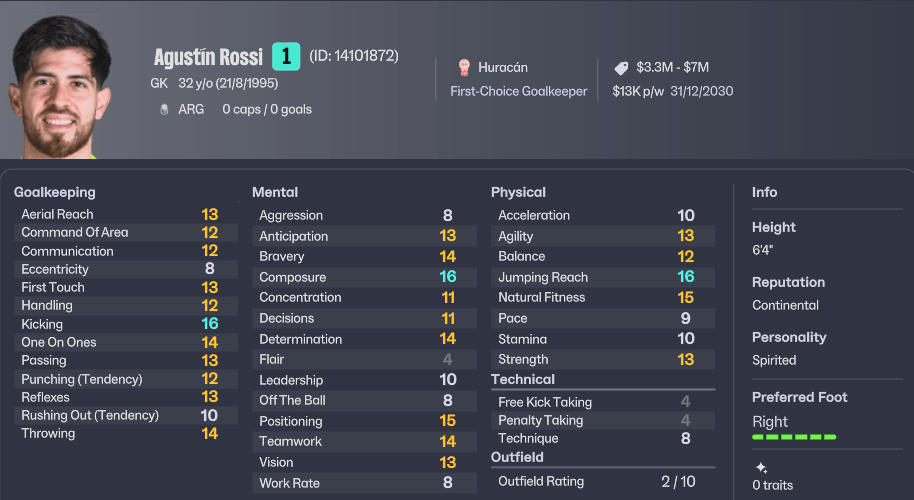
Agustín Rossi. $2.7m from Flamengo.
At 32, he brings authority, calm, and deep knowledge of Argentine football. Boca, Estudiantes, Defensa y Justicia, Lanús. He understands this league. He commands his box, he’s excellent with his feet, and he’s a leader. A three-year deal was an easy decision.
ML: Ignacio Vázquez at right centre back.
DV:
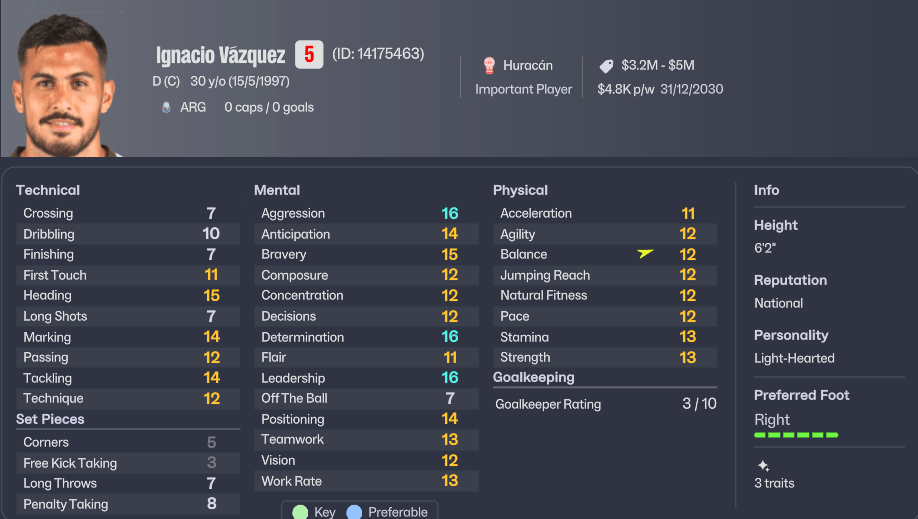
Thirty years old, six seasons at Platense, $1.4m.
He’s everything Gabriel demands in a defender: aggressive, brave, vocal, dominant in the air, and comfortable on the ball. Another three-year deal. This is a warrior, not just a defender.
ML: Defensive midfield—Jorge Rodríguez.
DV:
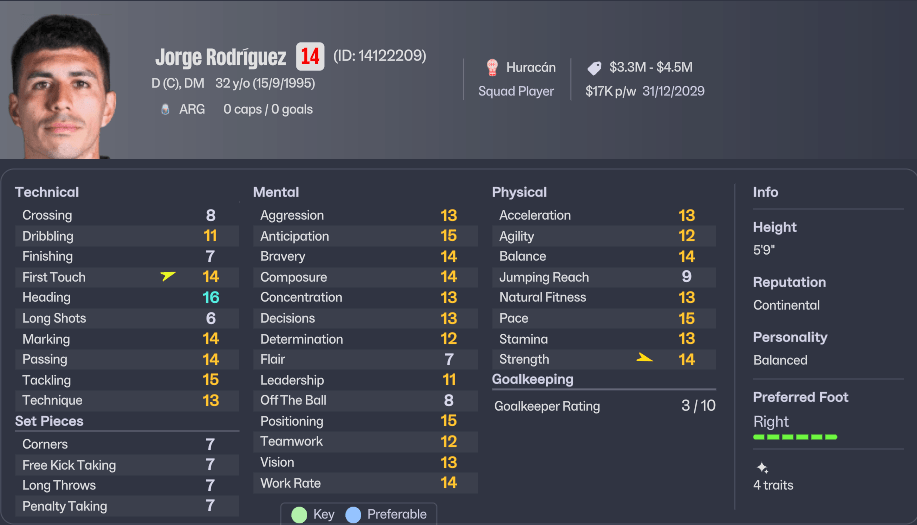
$2.9m from Monterrey. Former Banfield and Estudiantes. Thirty-two years old.
He breaks up play, he reads danger early, and he still has the ability to start counters. Two-year deal. He brings control, which we desperately lacked.
ML: Agustín Palavecino on a free.
DV:
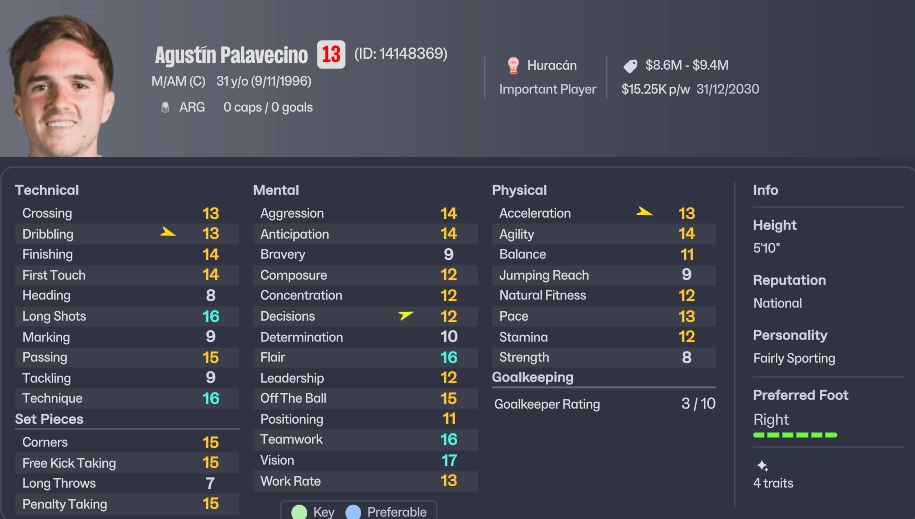
Thirty-one, former River Plate and Platense.
He gives us creativity, intelligence, and work rate. We need someone who can think under pressure. Two-year deal, and we expect him to be decisive.
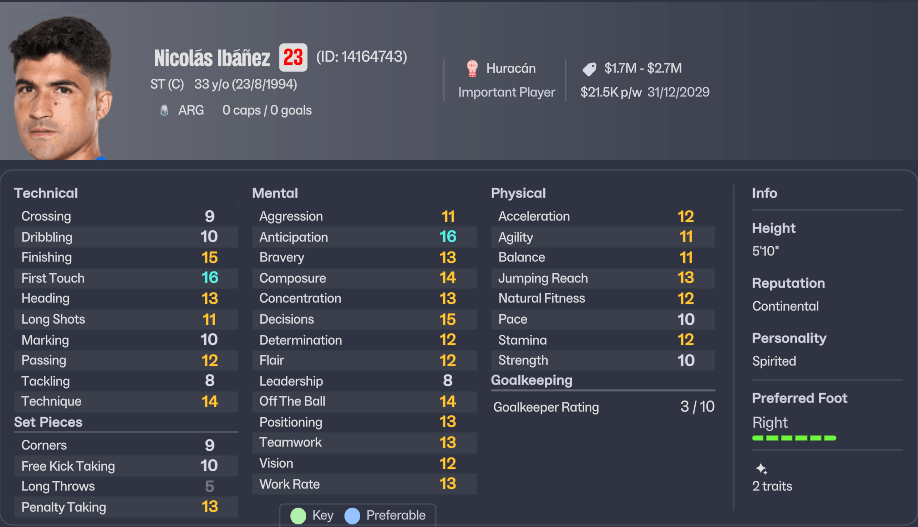
ML: And finally, the striker—Nicolás Ibáñez.
DV:
$1.5m from Tigres. Thirty-three years old.
This is not a retirement move. He has elite movement, a fantastic first touch, and he finishes chances. Yes, the physical decline is natural, but in tight games, he can be the difference. Two-year deal.
ML: Some fans see this as a philosophical shift. Is it?
DV:
No. It’s complementary.
These players won’t block pathways. They will protect them. Last season taught us that ignoring experience in favor of potential is dangerous. Development requires structure, leadership, and stability.
This is balance, not abandonment.
Looking Forward
ML: What are the targets for this season?
DV:
For the team: consistency. Competing on multiple fronts without collapse.
For the players: growth. Especially the young ones, learning alongside experienced leaders.
For Gabriel: to continue refining his ideas with the tools he now has. He’s earned that trust.
ML: Finally, what would you say to supporters still unsure?
DV:
Judge us over time. Not moments.
We’ve learned, we’ve adapted, and we haven’t panicked. The trophy matters but what matters more is that Huracán now has direction, structure, and belief.
Huracán’s story under Batistuta has never been simple but perhaps that is the point. With lessons learned, experience added, and conviction intact, the club enters a new season not reinvented, but reinforced.
The question now isn’t whether Huracán believe in the project.
It’s whether the league is ready for its next chapter.


 The Gaffers Lounge
Leave a comment