

By Mateo Ledesma – Revista Fútbol Federal
Inside Batistuta’s First Transfer Window at Huracán
Forty-seven. That is not a typo, nor a rhetorical flourish. Forty-seven players have left Huracán this winter, by transfer, loan, release, retirement, or contract expiration. It is a figure so vast it borders on the unprecedented in modern Argentine football, and yet it tells you everything you need to know about how Gabriel Batistuta and Daniel Vega intend to reshape this club.
When the transfer embargo finally lifted, this was never going to be a window about glamour or excess. It was about correction. About control. About finally aligning the squad with an idea that, for two seasons now, has burned brightly but unevenly.
The headline exits were seismic. Juan Bisanz, arguably the most decisive attacking player in the Batistuta era so far, leaves for Saudi Arabia to join Al-Ettifaq in a deal worth $12.75 million. César Ibáñez, the tireless left-back and quiet pillar of the system, follows him to Damac for $10.25 million. Gabriel Alanís returns to Tigre for $625,000, while Leandro Lescano joins Universidad Católica for $575,000. Nehuén Paz departs for Paysandú for a nominal $57,000. Eric Ramírez, unwilling to extend his contract, exits for a fee. Leonardo Gil retires. And that is only the surface layer.
Behind them trail dozens more, youngsters loaned out, squad players moved on, pathways cleared. Daniel Vega has been ruthless, almost surgical, in reducing what had become an unsustainable bloated structure. From a peak that exceeded 100 registered players, Huracán finally looks like a football club again rather than a holding company.
But the cost of clarity is vulnerability. Bisanz, Ibáñez, and Ramírez do not leave quietly. They leave holes, structural, tactical, emotional. Vega entered the window with three priority positions in mind: goalkeeper, right-sided centre back, and right-sided central midfielder. By the time the dust settled, those priorities had shifted, broadened, and deepened. The challenge became not just replacing profiles, but doing so without blocking the ascent of Huracán’s most precious asset: its youth.
The New Five: Measured Investment, Clear Profiles
In total, Daniel Vega spent $4.95 million on five first-team signings. No excess. No panic. Just intent.
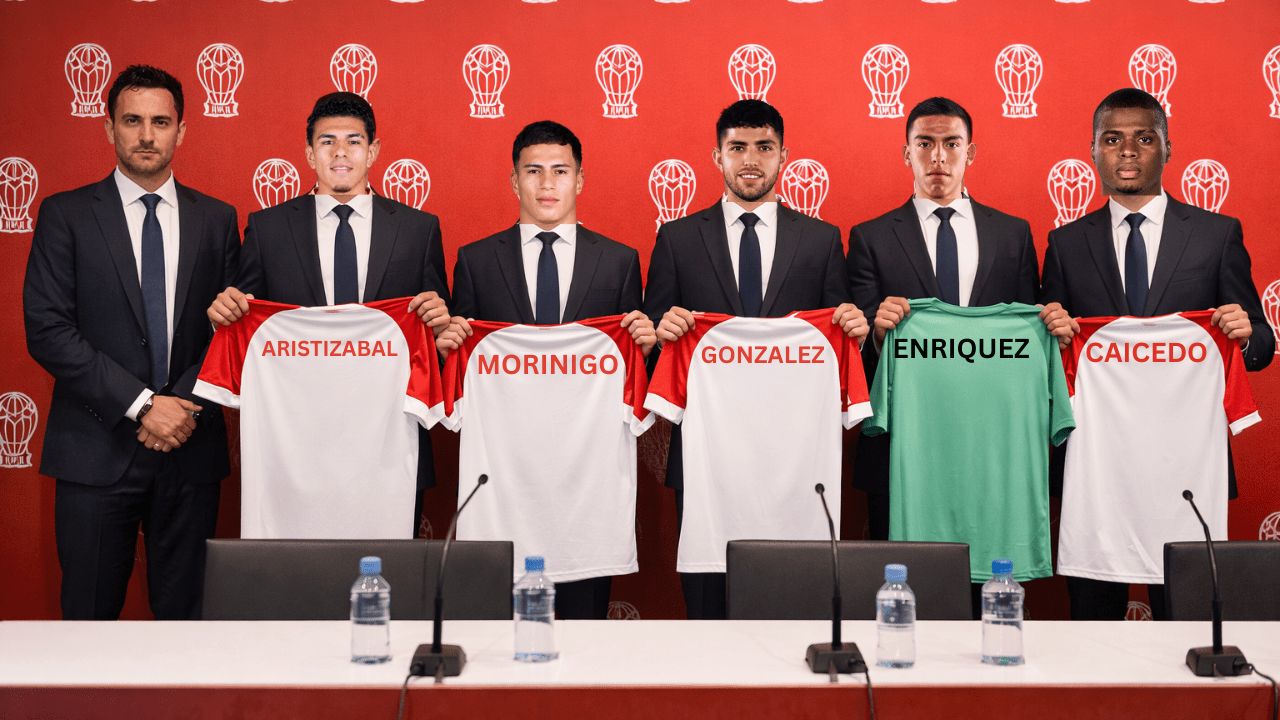
The first was Diego Enríquez,

A 25-year-old Peruvian goalkeeper signed from Sporting Cristal for $350,000. Vega was candid: Enríquez is viewed internally as an upgrade on Sebastián Meza. Not a dramatic stylistic shift, but a functional one. Better with his feet. Quicker off his line. More secure when Huracán insist on building from deep under pressure. In Batistuta’s Menotti-influenced vision, the goalkeeper is not a spectator, he is the first midfielder. Enríquez fits that evolution.
Replacing Ibáñez was never going to be straightforward, but Vega moved early for Alan Morínigo,
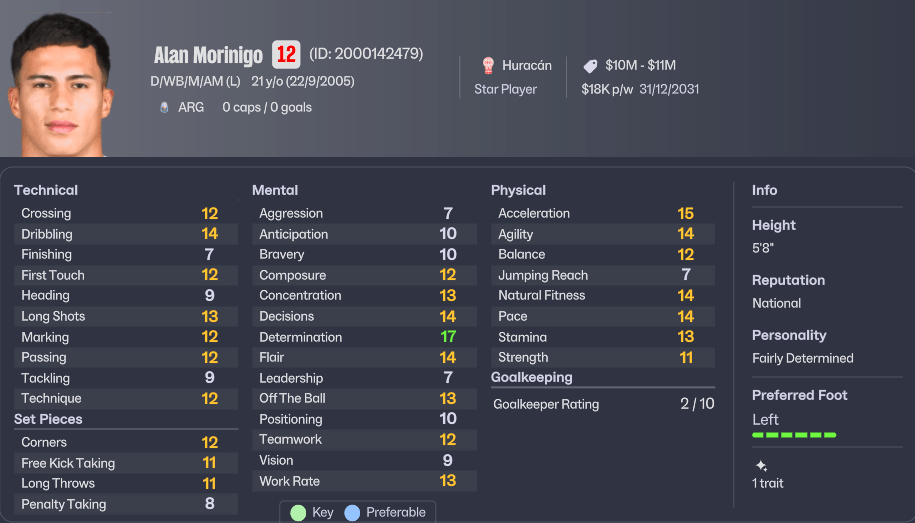
A 21-year-old Argentine left-back from Olimpia for $900,000. Younger, yes. Less polished, perhaps. But Morínigo’s physical base is stronger, more explosive, more resilient in duels. The bet here is developmental: that with minutes and responsibility, the technical ceiling rises to meet the physical floor. In a side that asks its fullbacks to attack relentlessly, Morínigo represents projection rather than nostalgia.
The defensive cornerstone of the window is Daniel González,
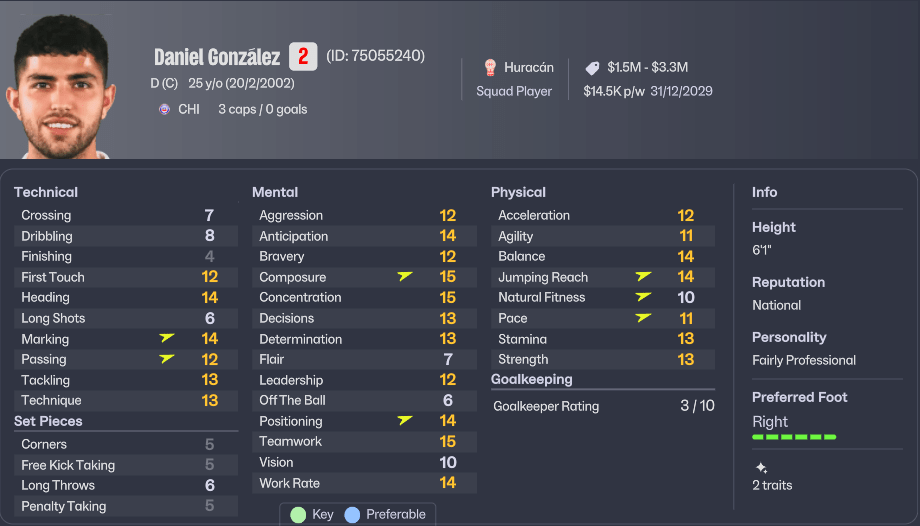
A 24-year-old Chilean right-sided centre back signed from Universidad Católica for $1.2 million. This is the Paz replacement in both form and function. González is aggressive without being reckless, comfortable stepping into midfield with the ball, and mentally robust, traits Batistuta has demanded in a role that often leaves defenders exposed by design. Partnering Lucas Carrizo, González gives Huracán balance they have often lacked when transitions turn chaotic.
The most symbolic signing, however, is Deiber Caicedo.
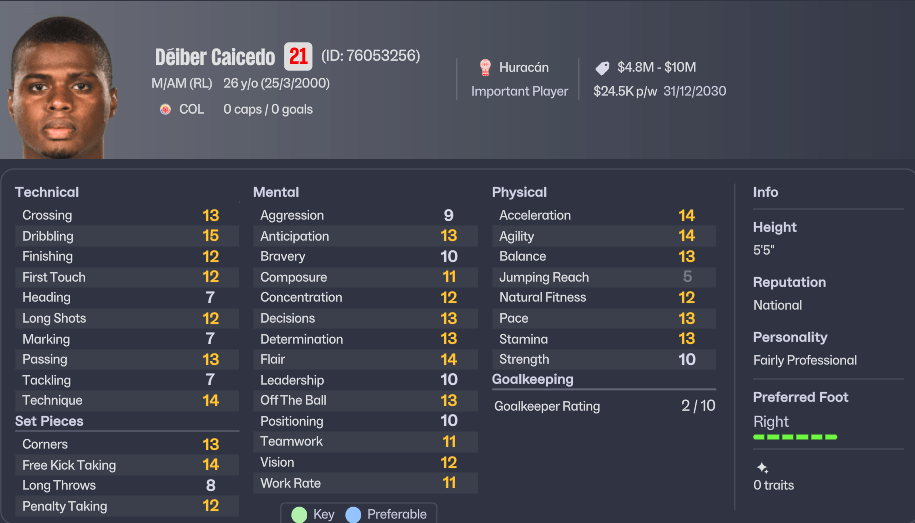
The 26-year-old Colombian winger arrives from Junior for $1.1 million, carrying the near-impossible task of helping replace Juan Bisanz. No one player can do that. Vega knows it. Batistuta knows it. But Caicedo brings dual-footedness, verticality, and unpredictability, qualities essential to preserving Huracán’s attacking identity. With Peralta increasingly trusted in the right-sided central role, Caicedo and Cabral are now tasked with stretching the pitch and unsettling defences that had grown accustomed to Bisanz’s patterns.
Finally, there is Emilio Aristizábal,
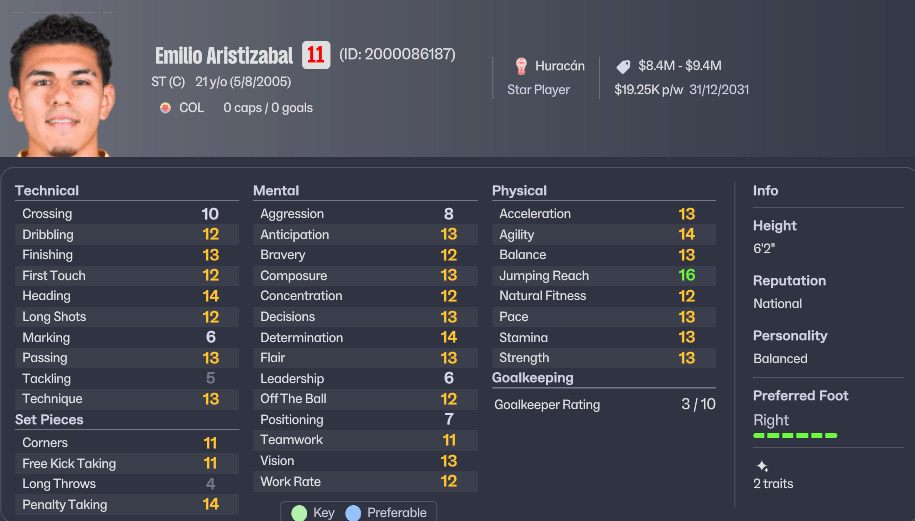
The most expensive signing at $1.4 million. At just 21, the Colombian striker arrives not as a finished product but as a necessity. Asking Chiquichano, still only 18 to carry the frontline alone would have bordered on irresponsibility. Aristizábal offers physical presence, pressing intensity, and penalty-box instinct. He is not Ramírez. He is not meant to be. But he gives Batistuta something crucial: time.
What the Fans Can Expect
Collectively, these signings speak to evolution rather than revolution. Huracán will still press high. Still dominate possession. Still live dangerously. But there is a sense now of better balance, profiles chosen not just for talent, but for compatibility. Enríquez enables braver build-up. González stabilises defensive transitions. Morínigo and Caicedo keep the flanks aggressive. Aristizábal absorbs pressure that would otherwise fall on teenagers.
This is a squad designed to breathe.
Youth Investment Without Noise
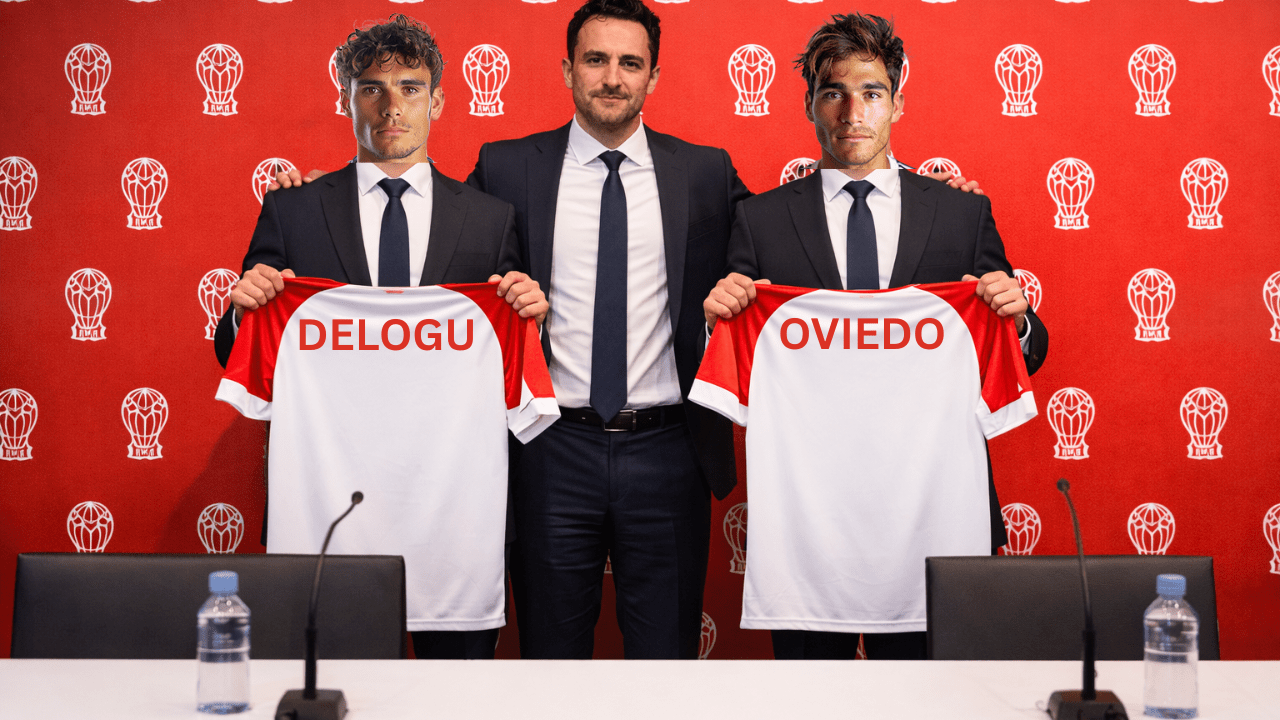
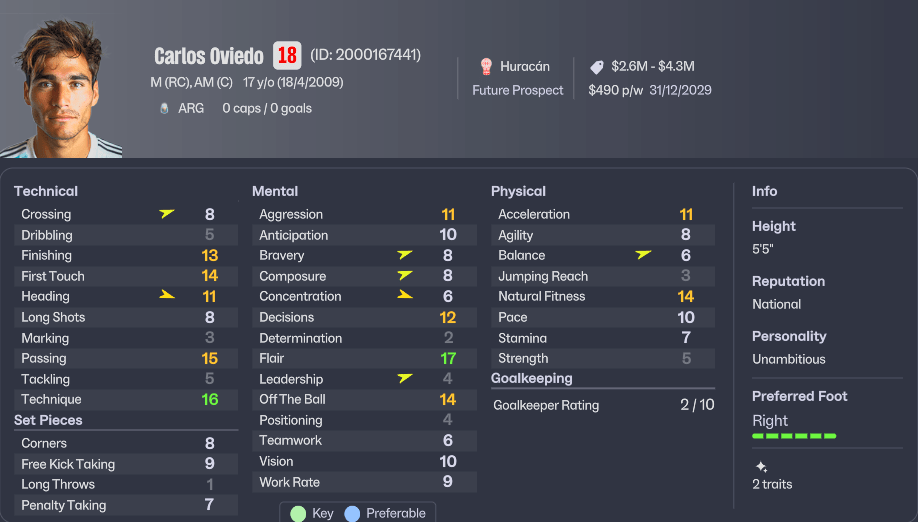
Vega’s work did not end with the first team. Two teenagers arrive quietly, almost deliberately under the radar. Carlos Oviedo, a 17-year-old midfielder from Villa Dálmine, joins for $67,000, a low-risk, high-upside addition.
Tomás Delogu, a 17-year-old defensive midfielder from Deportivo Laferrere, costs $300,000 and arrives with a reputation for tactical intelligence beyond his years.
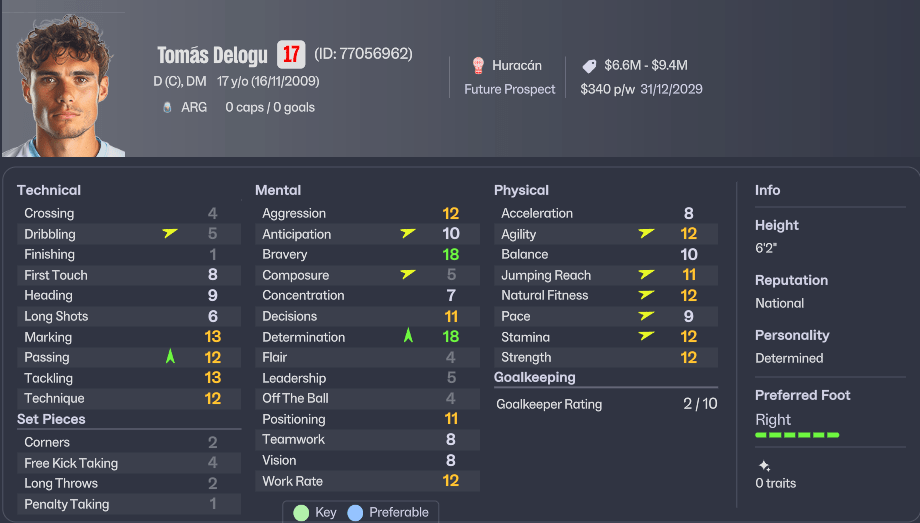
Neither will be rushed. Both enter an ecosystem that, for the first time in years, appears genuinely prepared to develop rather than discard.
The Question That Lingers
And yet, the central question remains: can Batistuta integrate this many changes quickly enough without stalling momentum?
This Huracán side has been built on continuity, belief, and rhythm. Chemistry matters. Automatismos matter. The margin for error in Argentine football is unforgiving. New goalkeepers make mistakes. New centre backs misjudge distances. New forwards need time to learn pressing triggers.
But if there is one thing Batistuta has earned, it is trust in the process. The embargo years forged clarity. This window was about execution. The squad is leaner. The profiles are sharper. The pathways are open.
Now, finally, Huracán move forward unshackled, not just by regulations, but by their own past.



 The Gaffers Lounge
Leave a comment