
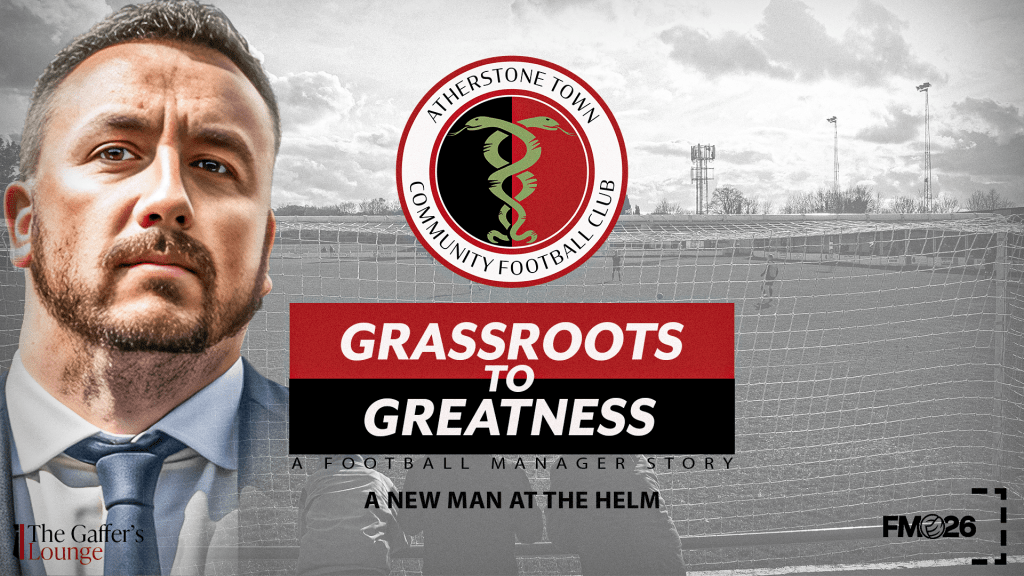
An Unexpected Change
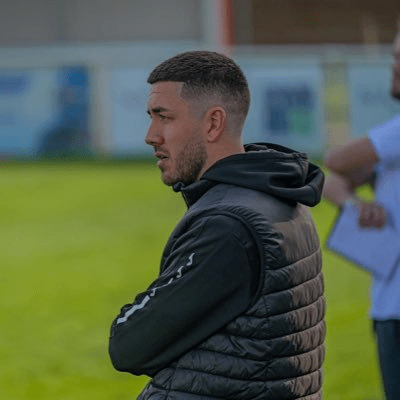
Club Statement: Manager Mitch Thomson Leaves for Coventry City
1st December 2025
Atherstone Town Community Football Club can confirm that manager Mitch Thomson has today left his position to take up the role of Under-21s Manager at Sky Bet Championship side Coventry City.
Mitch departs Sheepy Road after two years in charge, having joined us in November 2023. During his time with the Adders, he oversaw our transition into the United Counties League Premier Division South and guided us through what has been a period of significant change for the football club.
This season has presented fresh challenges as we’ve adapted to a new league and unfamiliar opposition. Mitch worked tirelessly to establish us at this level, and we currently sit in 16th position after our opening thirteen fixtures.
While we’re naturally disappointed to lose Mitch at this stage of the season, everyone at the club recognises what a fantastic opportunity this represents for him personally and professionally. The chance to work in the academy setup of a Championship club is one that doesn’t come around often, particularly for someone who has built their reputation in grassroots and non-league football in the Warwickshire and Leicestershire area.
Mitch has been a consummate professional throughout his time here. He’s handled the challenges of step five football with dignity, worked within the constraints of our budget without complaint, and always represented Atherstone Town Community FC with class both on and off the pitch. He’s helped develop several young players who have come through our doors, and his work in strengthening our connections with local football has been invaluable.
Chair Maria Beale said: “Mitch has been brilliant for us over the past two years. While the timing isn’t ideal, we completely understand his decision. This is a tremendous opportunity for him to work at a higher level and we wish him nothing but success at Coventry. He leaves with our thanks and best wishes.”
Mitch Thomson added: “Leaving Atherstone has been an incredibly difficult decision. This club means a lot to me – the people here, the volunteers, the supporters who turn up week in, week out. I’m proud of what we’ve achieved together, particularly the way we’ve approached this season in a new league. I’ll be watching the results and I know this group of lads is capable of climbing the table. I want to thank Maria, the board, and everyone connected with Atherstone Town for giving me this chance when I was still relatively new management. This club will always be special to me.”
The club will begin the process of recruiting a new manager immediately. We’re looking for someone who understands non-league football, values the community aspect of what we do here, and can build on the foundations that have been laid this season. Further announcements regarding this matter will be made in due course.
In the meantime, assistant manager Nathan Haines will take charge of training and team selection ahead of Saturday’s trip to Yaxley. Nathan knows the squad inside out and we have complete faith in him to keep things steady while we conduct our search.
Everyone at Atherstone Town Community Football Club wishes Mitch Thomson all the very best in his new role at Coventry City.
Haines Takes The Reigns
Thomson’s departure came off the back of a thumping 3-0 home win against Sileby Rangers that had Sheepy Road buzzing. Chris Cowley—always a crowd favourite—opened the scoring, Mitchell Woakes added a second, and young defender Joshua Williams capped off what was genuinely one of the better performances of the season. Proper football, the kind that makes you forget about the biting December cold.
With Nathan Haines stepping up as caretaker, there was a sense around the place that this didn’t have to be a disaster. Haines knew the lads, knew the setup, and his first match away at Yaxley seemed winnable enough. They were nineteenth, after all. Three points felt achievable.
The conditions at Yaxley were biblical. Rain hammered down from minute one, the wind swirling about like it couldn’t decide which direction it fancied, and the pitch looked more suited to water polo than football. Both sides struggled to string passes together—understandably, given you could barely see ten yards in front of you—but Atherstone looked composed enough. Then, two minutes into the second half, Lewis Collins did what good strikers do. Ryan Quinn whipped in a cross from somewhere on the right, Collins peeled away from his marker at the far post, and nodded it home. 1-0. Job done.
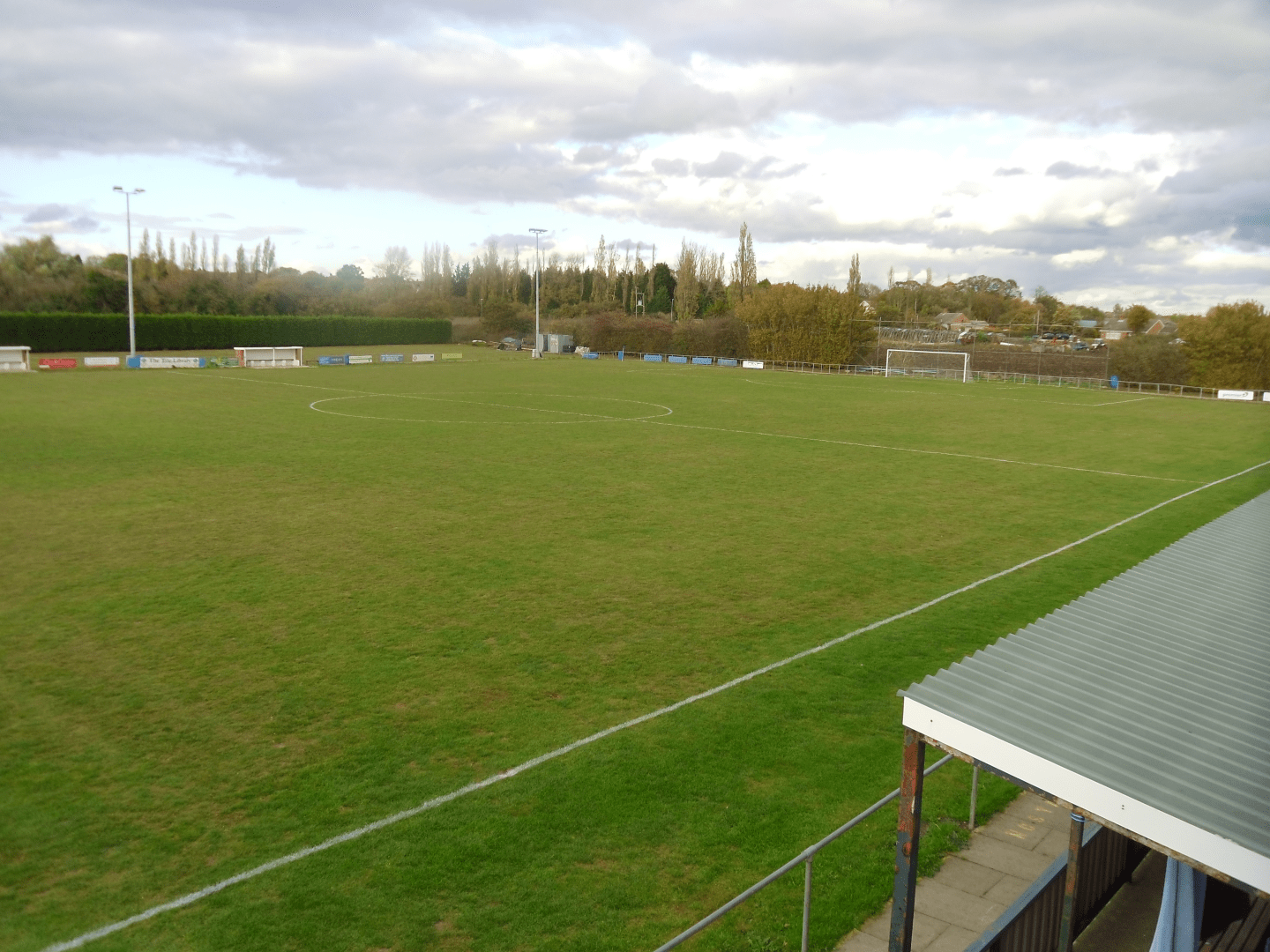
“The conditions made it a proper scrap,” Haines said afterwards, rain still dripping off his coat in the away changing room. “But the lads showed real character. Collins has been brilliant for us lately and that run to the back post was exactly what we needed. We defended well, kept our shape, and saw it through. Couldn’t ask for more from them.”
First game, first win. Not a bad start for Haines, even if he knew this was only temporary.
Applications and Assumptions
Behind the scenes, the board were already wading through CVs. They came in thick and fast—experienced non-league managers with promotions on their records, recently retired players looking for their first step into coaching, and a fair few hopefuls who’d clearly sent the same generic application to every vacancy going. Some were impressive. Really impressive. The sort of credentials that would make any step-five club sit up and take notice.
But something felt off. Chair Maria Beale couldn’t quite put her finger on it at first, but as she read through another polished application from someone who’d managed at a higher level, it niggled at her. These blokes knew football, sure, but did they know Atherstone? Did they understand what this club meant to the town? Would they turn up at community events, work with the youth teams, put in the hours beyond match days?
Nathan Haines, meanwhile, was getting on with the job at hand. His second match in charge saw bottom-of-the-table Easington Sports visit Sheepy Road, and the Adders absolutely battered them. Twelve minutes in and it was already 2-0. Ashley Seliearts—still only sixteen but playing with the confidence of someone ten years older—slotted home the opener, and Cowley grabbed his second in as many games shortly after. Easington barely got a kick. Collins wrapped things up eight minutes from time to make it 3-0, and Atherstone were suddenly on a little run.
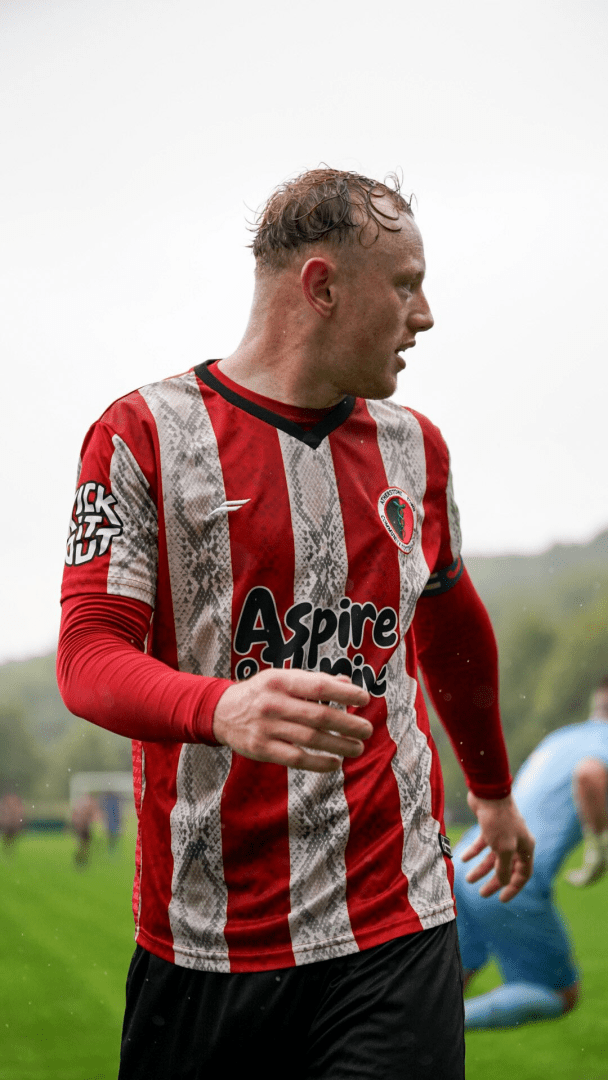
“We controlled that from start to finish,” Haines said, allowing himself a slight smile. “Easington are struggling, everyone knows that, but we didn’t let them settle. Seliearts has been excellent today—real composure for someone his age. Three wins from three now, but we’re not getting carried away. Godmanchester away next Saturday will be a different challenge altogether.”
Two from two. The caretaker was doing himself no harm whatsoever.
A Name From The Past
Then, buried amongst the latest batch of applications, a name jumped out. Paul Howarth. Beale recognised it immediately. Howarth had done the club’s graphics—match day programmes, posters, social media work—a few years back. Talented bloke, knew his way around design software, and seemed genuinely invested in Atherstone beyond just the freelance gig. But manager? That was… different.
The more Beale thought about it, though, the more it made a strange kind of sense. Howarth was local, understood the community, was knowledgeable about the game, had been around the club enough to know what it was about. But—and this was the massive but—he had minimal coaching badges, that he had achieved over 20 years ago and done little with. No managerial experience. Nothing on his CV that really suggested he should be anywhere near a dugout on match day.
It was a risk. A huge risk. The sort of decision that could look either inspired or absolutely crackers depending on how it played out.
The shortlist was drawn up. A couple of the experienced hands made the cut, obviously. And Howarth. Just to see. Just to hear what he had to say.
Before the interviews began, though, there was the small matter of another football match. Haines took the team to Godmanchester knowing this would probably be his last game in charge, regardless of the result. He’d already told the board the timing wasn’t right for him. Assistant manager suited him fine. He liked working with the lads without carrying the weight of the job, and besides, his missus would kill him if he took it on full-time.
Godmanchester away. Not easy on paper, but Atherstone started like the place was on fire. 48 seconds. That’s all it took. Collins again, racing onto a through ball and slotting past the keeper before the home fans had finished their pre-match pies. Twenty minutes later, Seliearts made it two, and the three points looked done and dusted by half-time.
Godmanchester rallied after the break—they always do at home—and pulled one back from a corner on 51 minutes. Atherstone wobbled briefly, but Haines had them organised, and they saw it out. Three wins from three. Haines had done everything asked of him and more.
The Interview
The club bar at Sheepy Road isn’t particularly grand. It’s functional, warm, and scented with the freshness of new furnishings. On this particular Sunday evening, it was serving a different purpose: interview room.
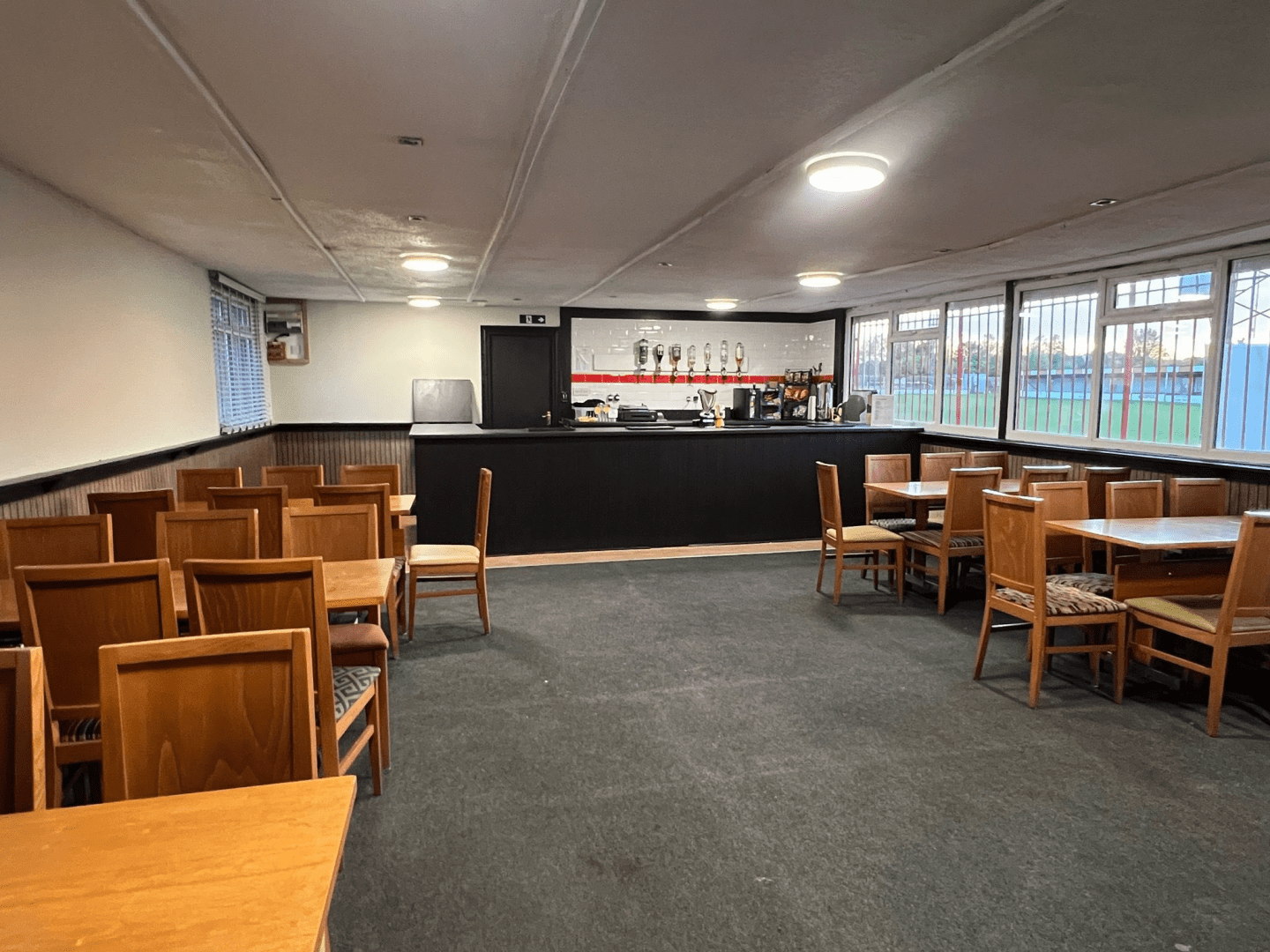
Paul Howarth walked in just after six, looking about as nervous as you’d expect from someone interviewing for a job they had absolutely no business applying for. Maria Beale sat across from him, flanked by vice-chair Scott Bartlam and director of football operations Dave Turner. The pleasantries were brief. Everyone knew each other already. No point pretending otherwise.
“Right then, Paul,” Beale began, setting her notes down on the table. “Appreciate you coming in. I’ll be honest—when your application came through, it raised a few eyebrows. You’ve done brilliant work for us with the graphics and you clearly care about the club, but managing a football team is a very different proposition. So let’s start there. Why do you want this job?”
Howarth shifted in his seat, but his voice was steady. “Because I love this club. I know that sounds daft coming from someone with no real coaching experience, but hear me out. I’ve been around Atherstone Town for years now, watching from the sidelines, designing programmes, soaking it all in. I’ve seen what this place means to people. And over the last couple of years, I’ve been managing teams on Football Manager—I know, I know, it’s a computer game—but it’s made me realise I took my badges all that time ago and have done nothing with them, when this is what I want to do. Not on a screen, but for real.”
Bartlam leaned forward. “Football Manager’s a long way from standing in a technical area on a freezing Tuesday night in December, Paul. What makes you think you can handle the real thing?”
“I don’t know if I can,” Howarth admitted. “But I’m willing to work harder than anyone else to find out. I’ll update my badges. I’ll study. I’ll watch footage until my eyes hurt. I’ll speak to other managers, learn from people who’ve been doing this for decades, I know so many people in football now, I have a sea of knowledge to draw from. What I can offer right now is passion, commitment, and a genuine understanding of what Atherstone Town Community Football Club stands for. That community bit in the name? That’s not marketing. That’s real. And I want to protect that whilst pushing us forward on the pitch.”
Turner, who’d been quiet until now, spoke up. “What’s your football philosophy, then? How would you set the team up?”
“Honestly? I don’t have a fixed philosophy yet,” Howarth said. “I’m not going to sit here and spout tactics I’ve half-learned from YouTube. But I believe in playing attacking football when we can, being solid defensively when we need to, and most importantly, giving young lads like Ashley Seliearts a chance to develop. We’re step five. We’re not going to attract superstars. So we build players, we create a team that works for each other, and we make sure the supporters enjoy watching us.”
Beale glanced at her notes, then back up at Howarth. “Nathan’s just won three straight games. The lads clearly respect him. Why shouldn’t we just give him the job?”
“You should,” Howarth said without hesitation. “If Nathan wants it, he should absolutely get it. He’s earned that. But if he doesn’t—and I’ve heard he’s stepping back to assistant—then you need someone who’ll bleed for this club. Someone who’ll be here at nine in the morning dealing with paperwork and still be here at nine at night making phone calls. Someone who sees this as more than just another job. That’s me.”
Bartlam sat back, arms folded. “You realise if we give you this job and it goes badly, we all look like idiots?”
“Yeah,” Howarth said, cracking a slight smile. “But if it goes well, you look like geniuses. High risk, high reward, right?”
The room went quiet. Turner made a note. Beale studied Howarth’s face, searching for any hint of doubt or bravado. She found neither.
“Alright, Paul. Few more questions,” Beale continued. “Nathan’s done well, but we’re still only 12th in the table. Where do you realistically think we can finish this season?”
“Mid-table safety first,” Howarth said firmly. “We’re in a new league, still finding our feet. I’d rather consolidate, build something sustainable, and then push on next year. But if the lads are capable of more and we get a bit of momentum, why not aim higher? Just not at the expense of stability.”
“And what’s your first move if we give you the job?”
“Sit down with Nathan. Pick his brain. Find out everything he’s learned from the last three games. Then speak to every single player individually. Find out what makes them tick, what they need from a manager, where they think the team can improve. I’m not coming in thinking I know better than everyone. I’m coming in ready to learn.”
The interview ran for another twenty minutes. They asked about budgets, about dealing with difficult players, about press conferences and match preparation. Howarth didn’t have all the answers—he’d have been lying if he’d pretended otherwise—but he had something else. Authenticity. And at a club like Atherstone Town, where money was tight and the connection between team and supporters mattered more than tactics boards, that counted for an awful lot.
The Decision

When Howarth left, the three board members sat in silence for a moment. Eventually, Bartlam spoke.
“He’s got no experience whatsoever.”
“None,” Beale agreed.
“Could be a complete disaster.”
“Could be.”
Turner chipped in. “But he’s got something. Can’t quite put my finger on it.”
“Belief,” Beale said quietly. “He actually believes he can do this. And more importantly, he believes in us.”
They had already interviewed the other candidates earlier that day. Both were solid, experienced, exactly what you’d expect. Either would do a decent job, probably. But neither made Beale feel the way Howarth had. Neither had that fire.
Beale made her decision. It was mad. It was risky. But sometimes, football needs a bit of madness, She’d call Paul Howarth on Monday morning. The graphic designer was about to become a football manager. At step five of the English football pyramid, stranger things have happened. But not many.
The Call
Monday morning arrived with the kind of grey drizzle that makes December in Warwickshire feel especially grim. Paul Howarth was halfway through his second coffee, staring at a half-finished design project on his screen, when his phone buzzed. Maria Beale. He stared at the name for a moment, heart suddenly hammering in his chest, before answering.
“Morning, Maria.”
“Morning, Paul. Have you got a minute?”
“Yeah, course. What’s up?”
There was a pause. Just long enough to make his stomach drop. Then: “Well, you’d better clear your schedule. The job’s yours if you want it.”
For a second, Paul couldn’t speak. The words were there in his head but his mouth wouldn’t cooperate. “Seriously?”
“Seriously. Look, I’ll be honest with you—it was a tough decision. You’re the riskiest option on paper, but the board and I, we kept coming back to the same thing. You get what this club is about. You care. And right now, that matters more than a fancy CV. So if you’re willing to put the work in, get your badges sorted, and learn on the job, then welcome to Atherstone Town Football Club. Officially this time.”
“Maria, I… bloody hell. Yes. Absolutely yes. Thank you. I won’t let you down, I promise.”
“I know you won’t, love. We’ll get the paperwork sorted this week, but I wanted you to hear it from me first. You start properly next Monday, but come down Thursday evening and we’ll introduce you to the lads and you can oversee training. Nathan’s agreed to stay on as assistant, which is massive for you. Learn everything you can from him.”
“I will. Christ, I can’t believe this is happening.”
“Believe it. Right, I’ll let you go—I imagine you’ve got some people to tell. We’ll speak properly tomorrow about contracts and all that boring stuff. Congratulations, gaffer.”
Gaffer. The word hung in the air even after she’d rung off.
Paul sat there for a moment, phone still in his hand, trying to process what had just happened. Then muscle memory took over. He scrolled through his contacts, hands shaking slightly, and called his mum.
“Hello, bit early for you to be calling isn’t it? You sound out of breath.”
“Mum, I got it. The Atherstone job. I’m the new manager.”
The scream of delight that came down the line nearly burst his eardrum. “Paul! Oh my God! I’m so proud of you!”
They talked for another ten minutes, his mum already making plans to come to every home game. When he finally got off the phone, there were tears in his eyes. Stupid, really, but there you go.
Next call: Andy, his older brother. Andy answered on the second ring, clearly in the middle of work.
“Alright, You okay? Bit early for a—”
“I got the Atherstone job.”
Silence. Then: “You’re joking.”
“I’m not joking. Just got off the phone with Maria Beale. I’m the new manager.”
“Shut up. Actual manager? Not like assistant or coach or—”
“The manager, Andy. The gaffer. Me.”
Another pause. “Bloody hell. That’s unbelievable. I’m genuinely made up for you”.
“Christ, my brother’s a football manager. This is mad.”
They laughed, swapped a few more words, and Paul promised to keep him updated. Then he opened WhatsApp and found the group chat he shared with Adam Davies and Ross Innes, the management team at AFC Hinckley who’d brought him into Atherstone Town a couple of years back. They’d been good to him, helped him understand the inner workings of a non-league club, treated him as part of the setup rather than just the bloke who did the posters.
Paul: Big news lads – just been offered the Atherstone job. Manager. Still can’t quite believe it.
The reply came within seconds.
Adam: WHAT?! Mate that’s incredible! Always knew you had it in you. Massive congratulations 👏
Ross: About time! You’ve been learning from the best 😉 Seriously though Paul, buzzing for you. You’ll smash it. Anything you need, just shout… until we play eachother that is!
Paul: Cheers lads. Couldn’t have done it without you two showing me the ropes. Beers on me when I keep us up 😂
Adam: Yes boss! That’s the spirit. Go get em.
Time to Work
Paul set his phone down and leaned back in his chair, staring at the ceiling. The euphoria was still there, bubbling away in his chest, but something else was creeping in too. Reality. He was now responsible for a football club. Real players, real supporters, real expectations. Nathan Haines had won three straight games and handed him a team in decent form, but twelfth place in the table meant there was work to do. Serious work.
He thought about the interview, about Maria Beale’s question: What’s your first move if we give you the job?
Sit down with Nathan. Learn everything. Speak to every player. Right, then. That’s where it starts.
But beneath all that, there was the unavoidable truth: he hadn’t cowched for 20 years. Did his badges need a refresher, if so he’d need to get those sorted immediately—Level 2 at minimum, start working towards the UEFA licences. He’d have to study tactics properly, not just through Football Manager but from real coaches, real matches, real analysis. Watch footage until his eyes bled. Read everything he could get his hands on. Attend courses. Network. Absorb.
The romantic part of him—the part that had spent countless hours in his bedroom managing virtual teams to glory—wanted to believe passion alone would be enough. But the realist knew better. This was step five of the English football pyramid. These were proper footballers, lads who’d been playing at this level or higher for years. They wouldn’t respect him just because he cared. He’d have to earn it. Every single day.
And then there were the supporters. The ones who turned up every week, rain or shine, to watch their town’s team. The ones who remembered when Atherstone had died twice and come back both times. They’d be watching him, this graphic designer with no experience, wondering what on earth the board were thinking. He’d have to win them over too. With results, yes, but also with honesty. With effort. With proof that he understood what the badge on his chest meant.
Paul opened his laptop properly now, closed the design project he’d been working on, and opened a blank document. At the top, he typed: Atherstone Town – First Month Plan.
Underneath, he started listing:
- Meet Nathan Thursday – full debrief on squad, tactics, recent games
- Individual player meetings – understand strengths, concerns, ambitions
- Watch all available footage from this season
- Contact FA about coaching badges – fast-track if possible
- First training session Thursday – set expectations, build relationships
- Team talk before first match – keep it simple, honest, passionate
He kept typing, the list growing longer, more detailed. By the time he stopped, an hour had passed and the document was three pages long. It was probably too much. Probably unrealistic. But it was a start.
His phone buzzed again. A text from Maria: One more thing – we’re announcing you officially tomorrow at 2pm. Get ready for your inbox to blow up. Welcome to the madness x
Paul smiled, nerves and excitement mixing together in equal measure. Tomorrow, everyone would know. The town, the league, the wider non-league community. Paul Howarth, graphic designer turned football manager. Some would laugh. Some would question it. Some might even respect the ambition of it.
But none of that mattered now. What mattered was the work. The graft. The long nights, the early mornings, the constant learning, the inevitable mistakes and the determination to fix them, all while working full time.
He closed his laptop, stood up, and walked to the window. Outside, Atherstone went about its Monday business—cars passing by, people heading to work, the town carrying on as it always did. Somewhere across town, at Sheepy Road, the pitch would be empty, the stands quiet, waiting for Saturday.
He took a deep breath.
“Time to get to work”.




 The Gaffers Lounge
Leave a comment