
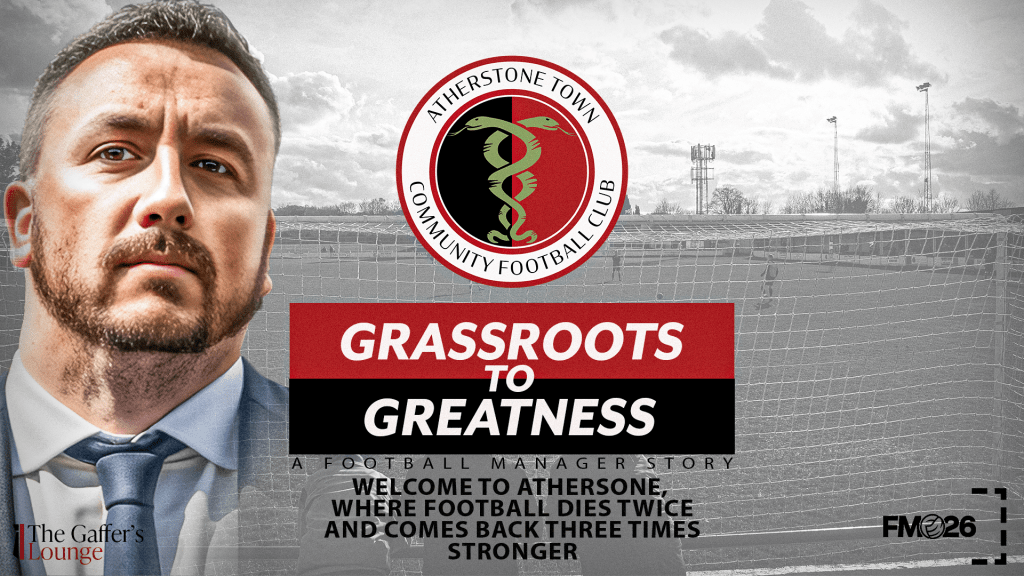
There’s a particular kind of football club that embodies everything beautiful about the non-league game. Not the glamour clubs dropping down from the Football League with parachute payments and fading glory, but the ones that exist because a town simply cannot imagine life without them. Atherstone Town Community Football Club is one of those clubs.
Walk down Sheepy Road on a matchday and you’ll find something increasingly rare in modern football: a genuine community hub where generations gather not out of habit or nostalgia, but because this place matters. The GAM Civils Stadium might only hold around 1,000 spectators, but when local rivals Nuneaton Town visited in August, over 1,200 somehow squeezed in, proving that some fixtures safely transcend capacity concerns.
Phoenix Rising (Twice)
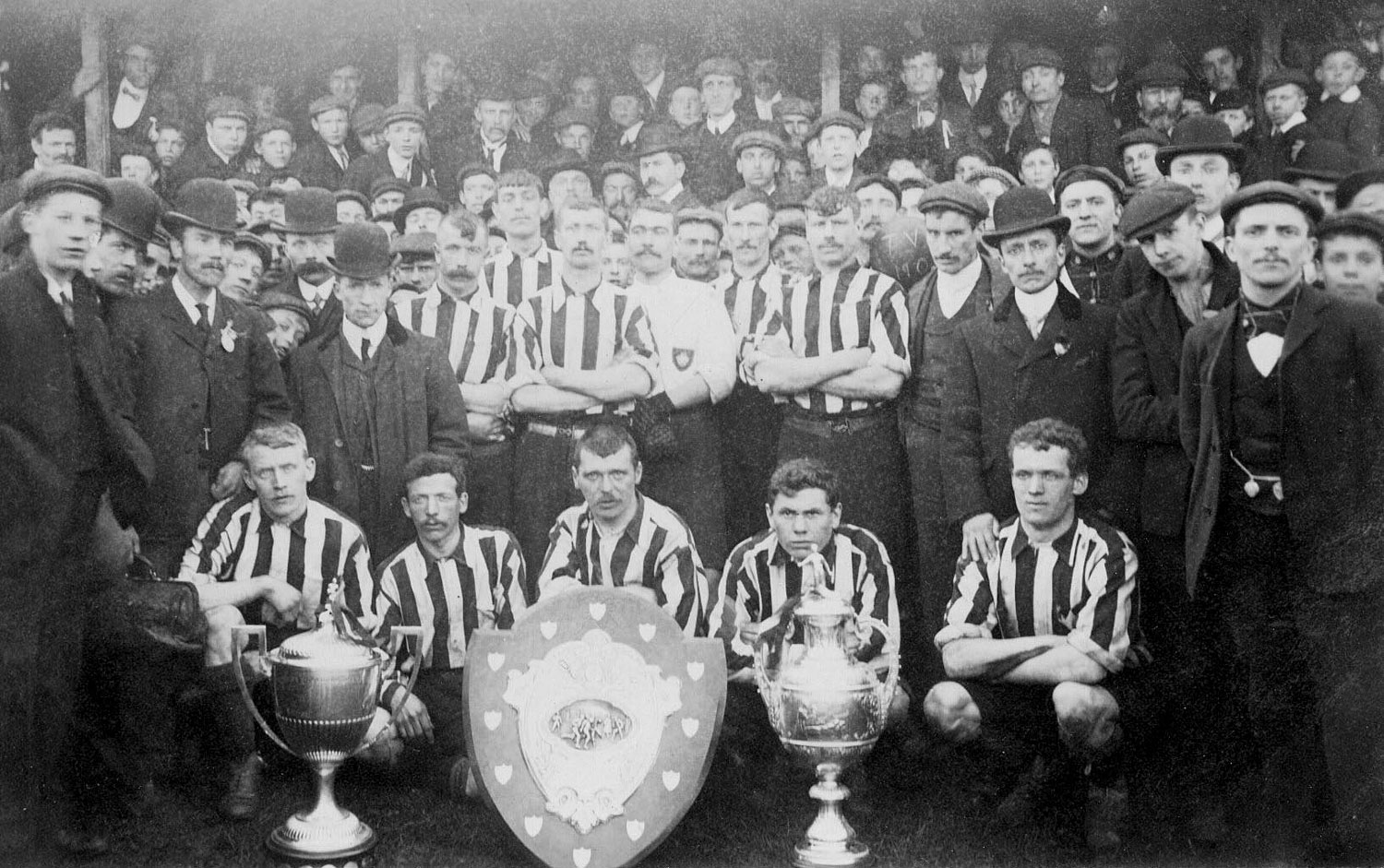
The romantic might say Atherstone Town was founded in 1887. The realist knows it’s more complicated than that. This club has died twice, properly died, and twice been dragged back from oblivion by people who refused to let their town’s football club become a footnote.
The first death came in 1979 after liquidation forced a proud Southern League Premier Division side to fold. Local supporters immediately reformed the club as Atherstone United, starting again in the West Midlands League with nothing but determination. They climbed back through the divisions, reaching the Southern League Premier again by 1989 and even making it to the FA Cup second round in 1990-91, losing narrowly to Crewe Alexandra after beating Fleetwood Town.
Then, in 2003, history repeated itself. Midway through a season, Atherstone United ceased to exist. Another liquidation, another crisis. And again, the town said no. Graham Read led a group of supporters who formed Atherstone Town in 2004, joining the Midland Combination’s bottom tier. What followed was one of non-league football’s most remarkable ascents: Division One champions in their first season, Premier Division champions the next, then Midland Alliance champions in 2007-08. Three promotions in four years.
The Present Day: Steady Progress Under New Leadership
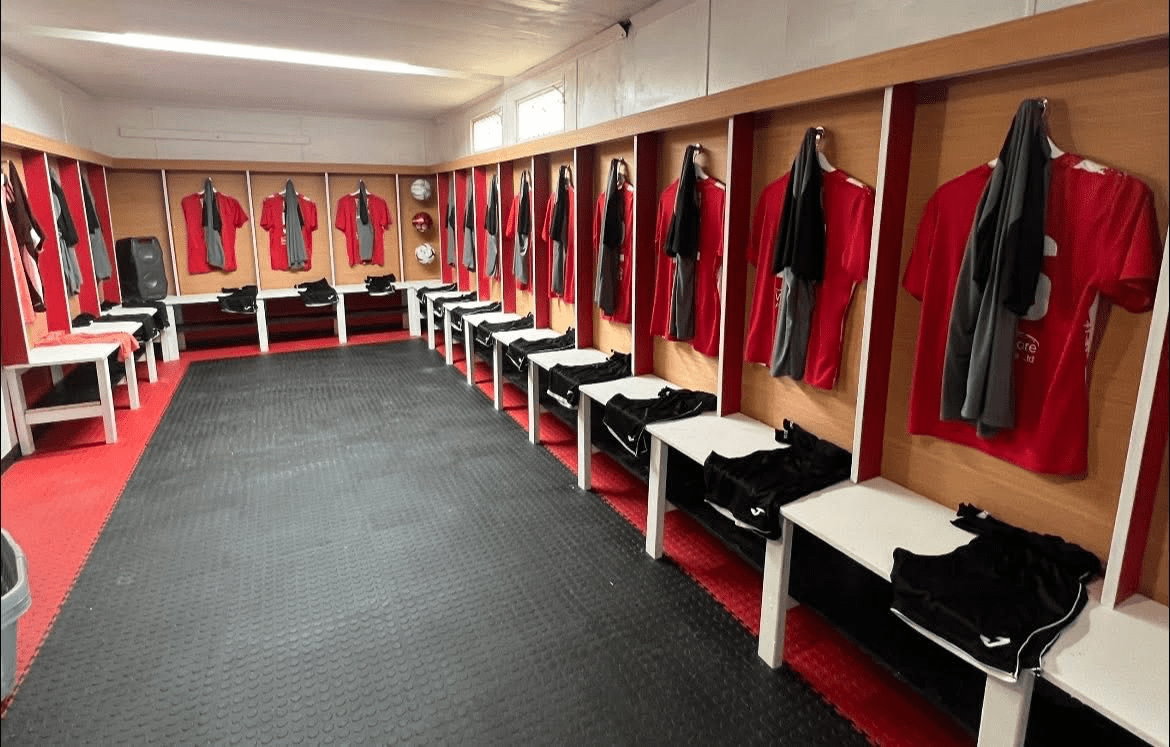
Fast forward to November 2025, and Atherstone Town are beginning their first season in the United Counties League Premier Division South after transferring from the Midland League Premier Division. It’s a lateral move geographically but represents a fresh chapter for a club that finished third last season with 74 points from 34 matches, only to fall in the play-off semi-finals to 1874 Northwich.
Under manager Mitch Thomson, appointed in November 2023, and chairwoman Maria Beale, who has continued to steady the ship, the club has found stability that once seemed impossible. Thomson, a former Adder himself under Davo and Ross, as well as other local clubs, knows the leagues and knows the area. His early-season results in the new competition have been solid, with the team sitting comfortably in mid-table as they adjust to unfamiliar opponents.
The squad he’s assembled reflects the modern non-league reality: talented local lads mixing with experienced hands who maybe coming to the end of their career but still have something to offer. It’s football at its most honest.
More Than Red and White Stripes
What sets Atherstone apart isn’t just their history of resurrection but their embrace of what they are. The “Community” in their official title isn’t marketing speak. They’ve partnered with organisations like Aspire & Thrive to provide mentoring and educational opportunities for local youth. They hold FA Charter Standard status. When Bloor Homes donated £5,000 earlier this year, it wasn’t corporate box hospitality they received in return but genuine community engagement.
The club operates with the kind of modest budget that would make Premier League accountants weep, yet they’ve avoided the financial disasters that claimed their previous incarnations. Local businesses like D.A. Brockwell support them not for exposure but because these are their neighbors, their friends, their kids playing on that pitch.
The Atherstone DNA
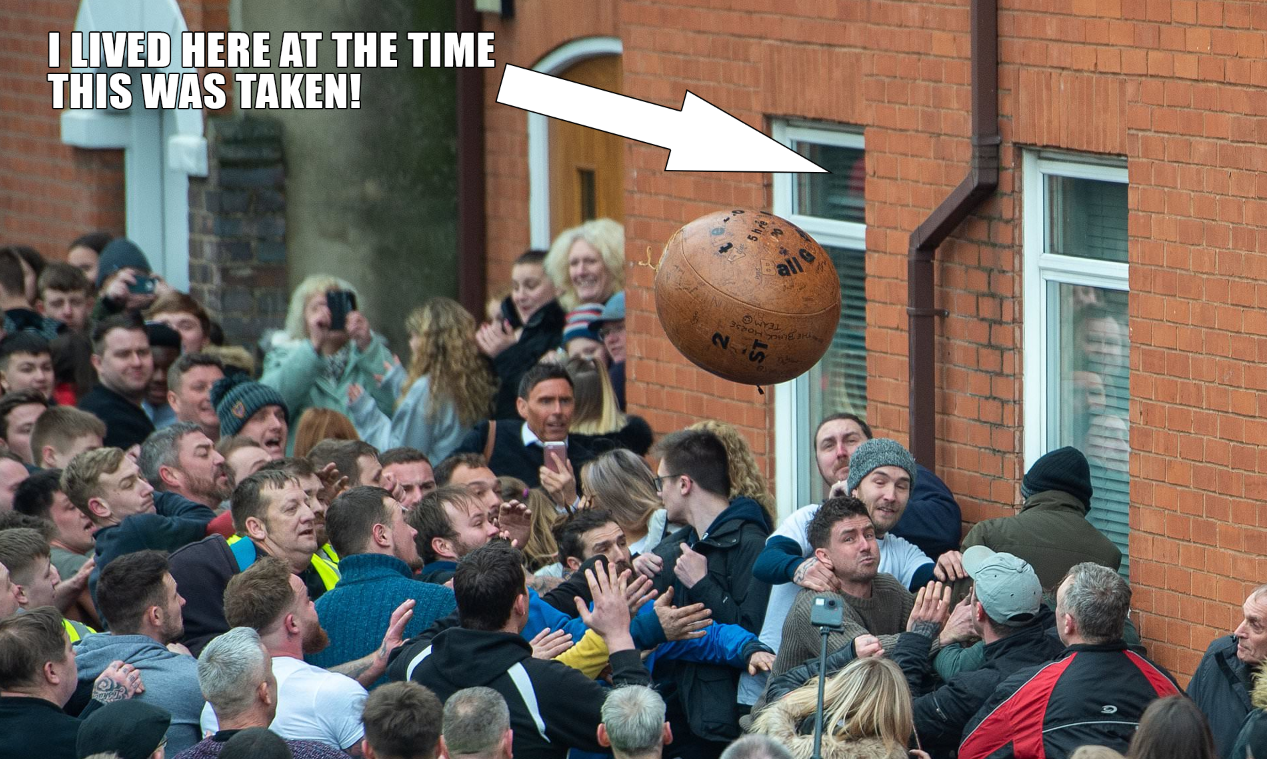
There’s something in the Atherstone water, apparently. The town hosts the annual Atherstone Ball Game every Shrove Tuesday, a “medieval football” contest dating back to 1199 that sees the main street boarded up while locals compete for a specially made ball in what can only be described as organised chaos. It’s one of only three such Shrovetide games still played in England, and it tells you everything about this town’s relationship with football: passionate, slightly mad, and absolutely unwilling to let tradition die.
That same spirit runs through the football club. They’ve had brushes with genuine success: Birmingham Senior Cup winners in 1948 and 1975, Southern League Cup champions in 2009, and those FA Amateur Cup semi-finals in 1907 and 1909 when the original club competed nationally. But it’s the refusal to quit that defines them more than any trophy.
Looking Ahead
The United Counties League Premier Division South presents new challenges. It’s step five of the English football pyramid, the ninth tier, where dreams of higher leagues exist but reality keeps most clubs grounded. Atherstone aren’t talking about National League ambitions or even the Northern Premier League just yet. They’re focused on establishing themselves in this new competition, building on last season’s third-place finish, and maybe, just maybe, making another promotion push.
Early fixtures have shown promise. The squad is competitive, Thomson has them organised, and Sheepy Road remains one of those proper non-league grounds where you’re close enough to hear every word from the dugout. Away trips to places like Northampton Sileby Rangers and Bugbrooke St. Michael might not have the glamour of away days at Old Trafford, but they matter just as much to the people who make the journey.
In this Football Manager save, I will initially edit the database to move Mitch Thomson to a league club as U21 or U18 manager to explain why I am coming in – I will also be holidaying to the date of this coming week (01/12/2025).
The Beautiful Stubbornness
In an era when football clubs fold with alarming regularity, when community assets are sold to property developers, and when the gap between the haves and have-nots grows wider by the season, Atherstone Town stands as quiet defiance. They’ve been knocked down twice and come back stronger each time.
They’re not glamorous. They won’t make headlines beyond Warwickshire. Their average attendance hovers around 250 – 300 on most matchdays. But that’s missing the point entirely. Atherstone Town Community Football Club exists because a town decided it should, and because enough people cared to make it happen when it mattered most.
The Adders wear their red and white stripes with pride earned through survival rather than silverware. They may play at step five but they have dreams as big as any. And when they take to the pitch at Sheepy Road each Saturday, they carry the weight of two resurrections and 138 years of history.
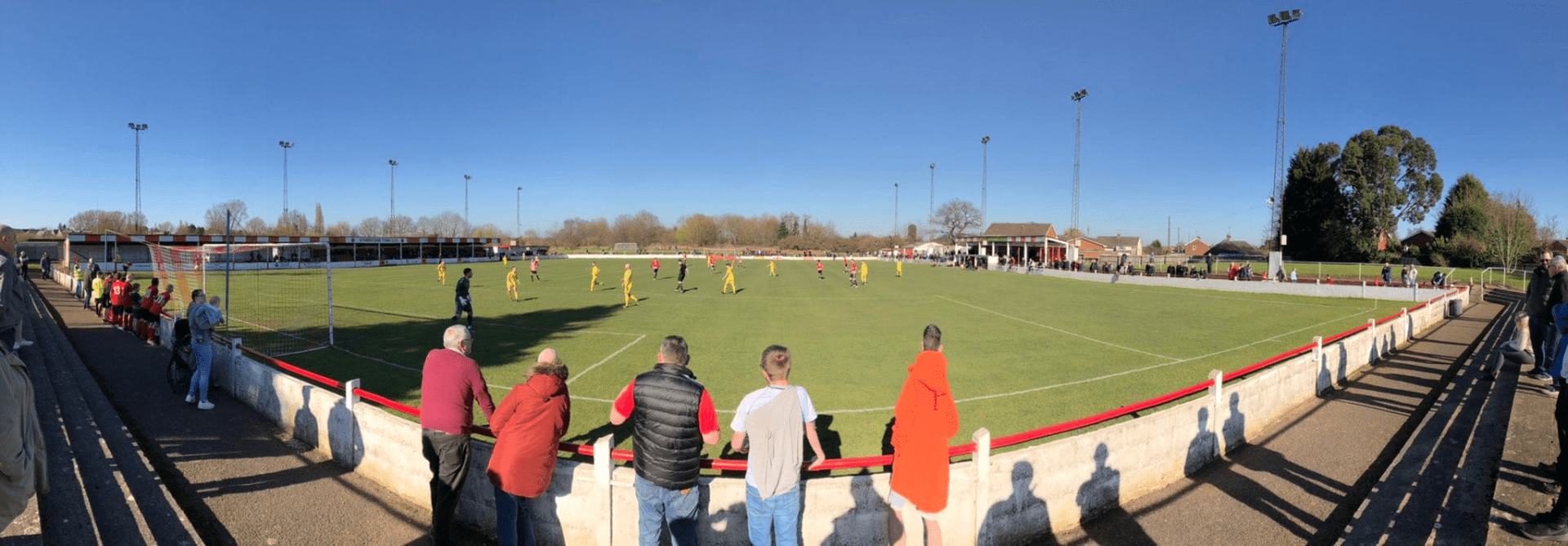
That’s the thing about clubs like Atherstone. They remind us why football matters beyond the television money and social media metrics. They’re proof that the game belongs to communities willing to fight for it, to people who’ll stand in the cold watching their local team because that’s what you do, to volunteers who give their time because someone has to.
The journey from 2004 to now hasn’t been smooth. There have been relegations, financial scares, and seasons that tested everyone’s resolve. But Mitch Thomson’s squad are writing the latest chapter, and if history tells us anything about Atherstone Town, it’s that they specialise in defying expectations.
Welcome to Sheepy Road. Welcome to Atherstone Town Community Football Club. Where football dies twice and comes back three times stronger.




 The Gaffers Lounge
Leave a comment