Building a Club Culture in Arezzo
With my feet now under the virtual desk at S.S. Arezzo, it was time to start planning the future of the club. My usual process would be to review the existing staff and replace any who don’t meet the required levels, or see the game differently to the way I do.
However, the club sits £3.13m in the red, and every financial projection points in the same direction. Downwards. We bring in just over £674k a year in sponsorship, and there is very little room to rely on TV money or overflowing gates in Serie C. There is no safety net here. Every decision is going to matter.
This changes the job completely. There is no sweeping overhaul of staff or a wave of new arrivals to reshape the squad in my image. We already exceed the board’s staffing limits by two and I’ve been asked to ensure this is remedied. As I join the club, here’s the first team coaching staff:
1 x Assistant Manager
1 x Coach
1 x Goalkeeping Coach
3 x Fitness Coaches
After this I have a Head of Youth Development, a Head Performance Analyst and a Performance Analyst.
So, I have one Assistant Manager, one coach responsible for developing the entire playing style, and three fitness coaches! It feels a little backwards, but this is Italian football in the lower leagues. You adapt or you fail. Whilst I’m comfortable getting rid of one of the Fitness Coaches, I’d be reluctant to get rid of two, unless I can replace him with a general coach.
The first Manager vs Board battle may come sooner than hoped.
For the moment, at least, I must make do with what I have. Not only with the staff, but also with players as there’s nothing with which to bring in anyone new.
Therefore, culture becomes the priority, not spending. If we are to rise, it will be through identity, unity, and the standards we hold every day on the training pitch. I can’t afford to replace every misfit. I need to build belief in the room first, then build the squad around those who prove they can carry that responsibility.
This is where culture matters most. The staff I do keep must be aligned with me. The leaders in the dressing room must be trusted lieutenants. Young players will need guidance because they will be relied on in this journey. Recruitment will not be about fancy signings. It will be about character, mentality, and fitting exactly who we want to become.
We might be up against bigger budgets and deeper squads, but culture can bridge gaps that money cannot. We are not building for a single season. We are creating something that will survive setbacks and financial strain. A club that knows who it is.
My Staff: The Driving Force Behind the Culture
If culture starts with the manager, it’ strengthened by the people around him. My Assistant Manager will be the most important of all.
Whilst probably not someone I’d pick, Flavio Giampieretti understands the 4-3-3, and is exactly the kind of assistant who could embody the Disciplina & Controllo ethos which will define the Arezzo project. At 51, with a Continental A Licence and a balanced personality, he carries the steady temperament and authority of someone who’s seen a few dressing rooms rise and fall. His coaching profile shows good tactical knowledge, strong determination, and people management skills.
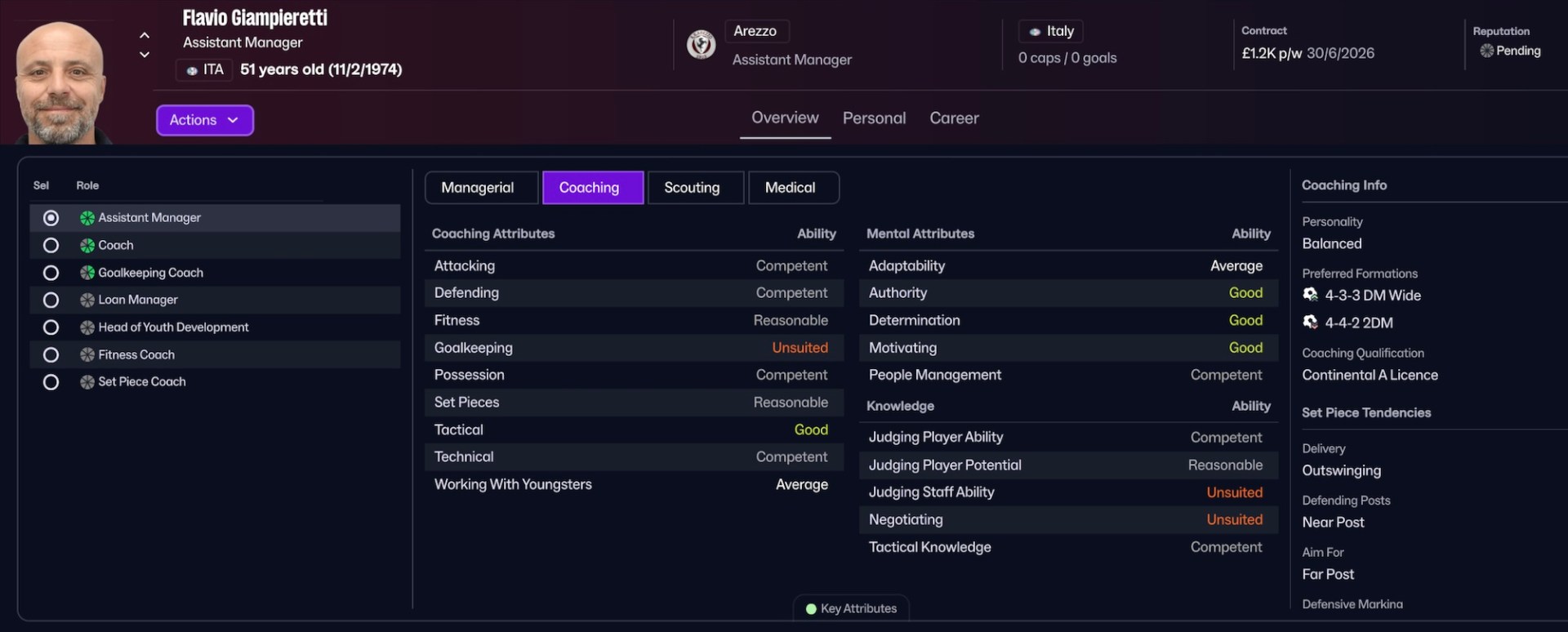
He’ll be an important conduit between you and the squad. His strengths lie in motivation, authority, and trust. He feels like the kind of assistant who speaks quietly but is listened to; the sort who runs the drills exactly as you’d want them, then keeps a finger on the pulse of the group while you focus on the bigger picture.
Then there is my only technical coach, young and untested Luca Antei. Recently retired from a solid playing career with Roma, Sassuolo, Benevento and Pescara. At just 33, he lacks experience, but hopefully he can get on board with the playing philosophy and develop over time. He favours a 4-2-3-1 and a 4-3-3 so he should have a solid grasp of how we want to play. Right now, he is stretched far too thin, but with limited staff slots available, his willingness to step up gives us a fighting chance.
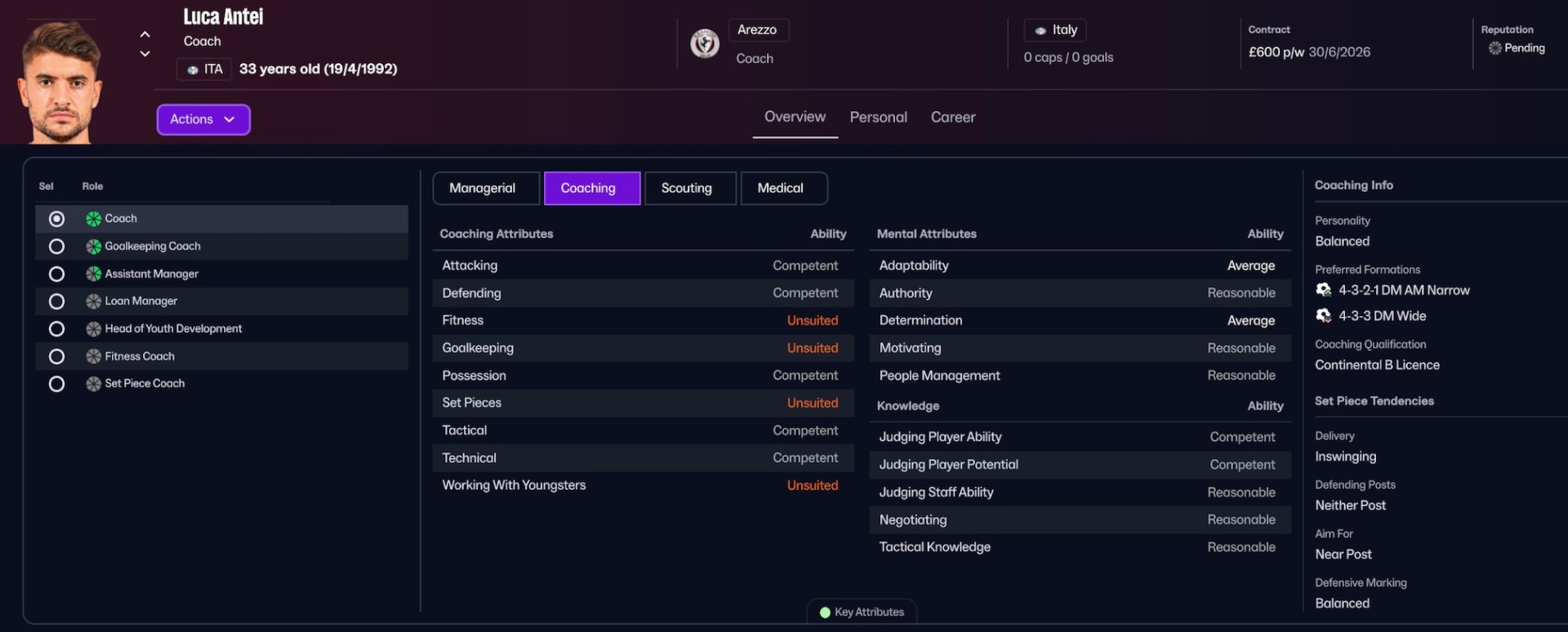
This is not the perfect setup. It’s what we have. Which means it’s where we start. The aim is to shape these individuals into a united staff with a clear and consistent message for the squad. Between them, they must help transmit the core of our culture: discipline, competitiveness, and belief.
If we can establish that here at the Stadio Città di Arezzo, then the lack of funds becomes less important. Because when the foundations are strong, progress becomes possible.
I’ve already entered into discussions with the Board over the number of coaches allowed and hopefully, if I show willing in letting a Fitness Coach go, they’ll meet me half way.
Dressing Room Leaders
This is where our culture will either take root or fall apart. The personalities in the dressing room shape belief long before tactics have their say. The most detailed training session in the world cannot compete with a fractured hierarchy. So the players who hold influence here must be managed thoughtfully and with respect.
This is where my relationship with Flavio Giampieretti becomes invaluable. His understanding of the squad dynamics gives me early warning signs and the quiet nods of approval that tell me when I am on the right track. I will rely heavily on his judgement as we build a united voice behind closed doors.
We have two Team Leaders, with Emiliano Pattarello the most influential. The 25-year-old winger is the beating heart of this side, finishing last season as top scorer with 18 goals. His leadership does not come through loud speeches or theatrics. His influence comes through intensity, bravery, and relentless drive on the pitch. With a resolute personality and a natural ability to step up in big moments, he embodies the attitude I want this team to carry. Pattarello is entering the peak of his career, and as Flavio rightly points out, this team should be built around him. On the pitch, he is already the standard-setter for our culture.
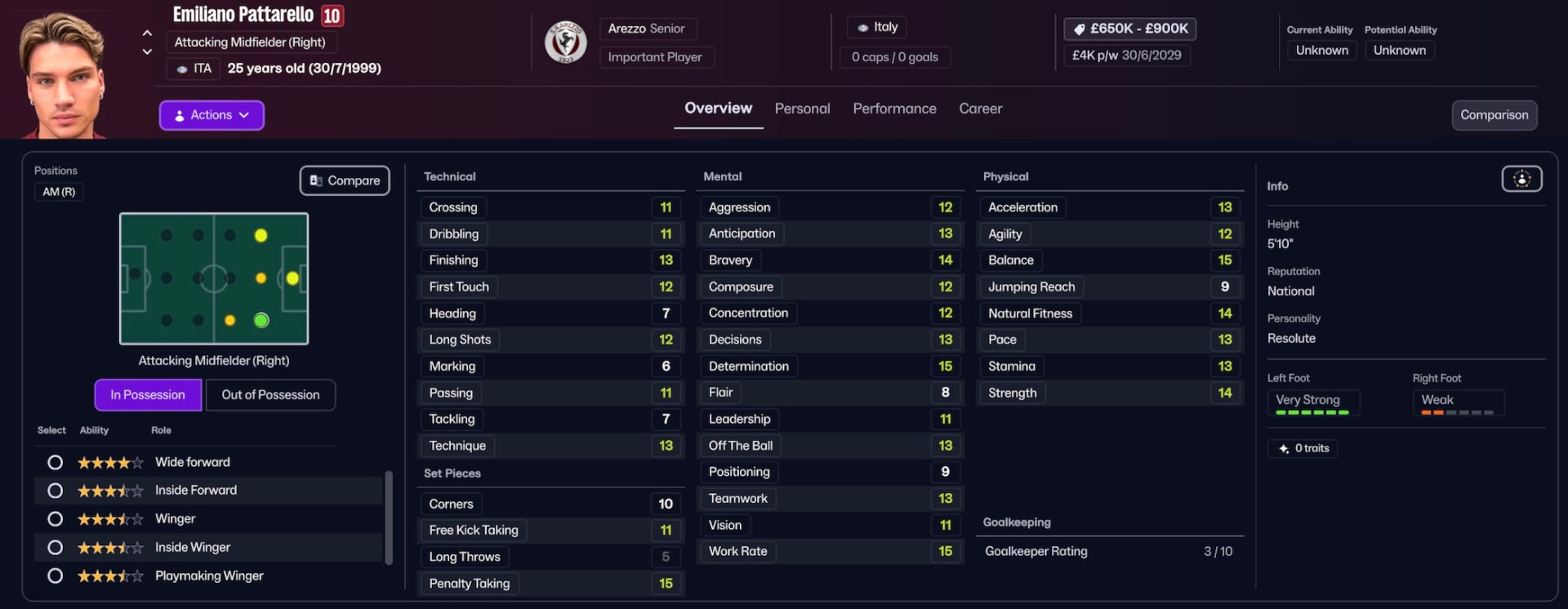
Alongside him sits Filippo Guccione, our vice-captain. At 32 years old, he brings a wealth of experience from a long career across Italy’s lower divisions. He is a model team player with strong football intelligence and an admirable work ethic. Calm, composed, and technically gifted, he provides the emotional balance to Pattarello’s fire. He is another ideal mentor for youngsters who need to learn what it means to be a professional. Flavio reminds me that his career may soon wind down, so our responsibility now is to identify the players who will inherit his leadership role in the coming years. Culture requires succession planning.

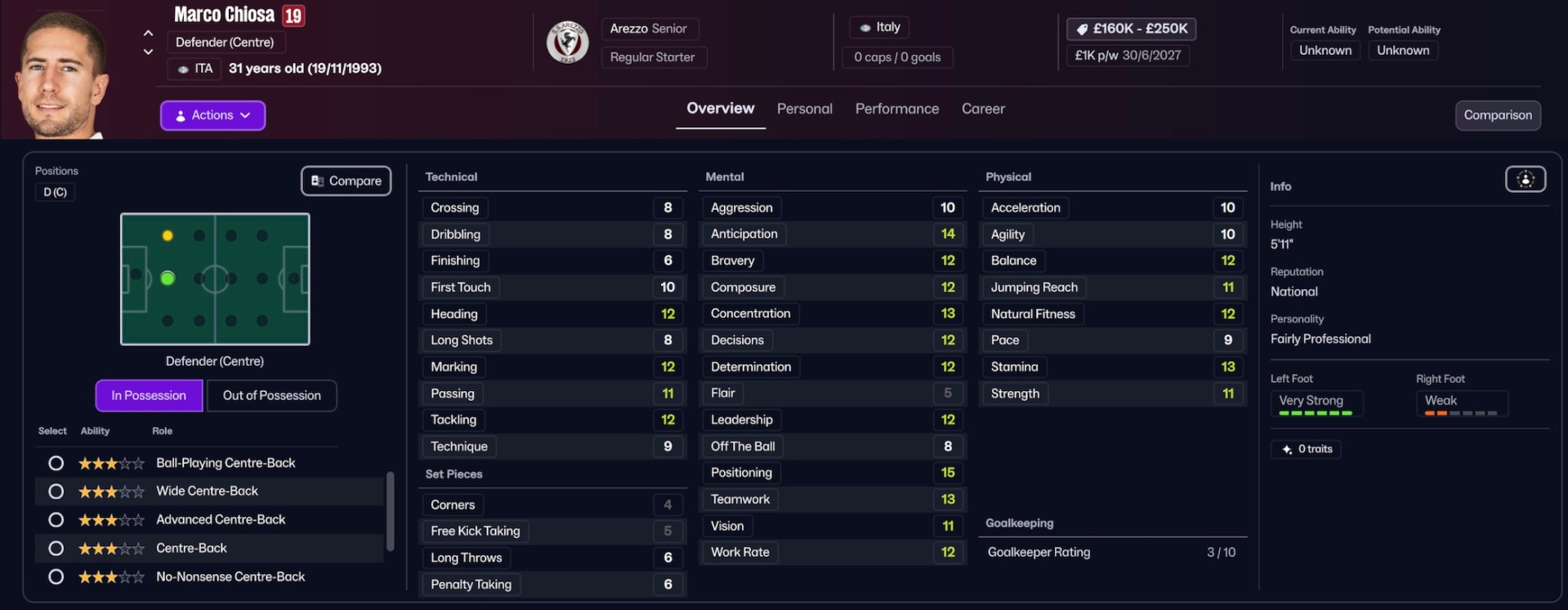
Next, we move into the Highly Influential Players, starting with club captain Marco Chiosa. At first glance, some may question his armband. His leadership rating is solid rather than elite, and his personality is best described as fairly professional, rather than model. However, Chiosa offers something that neither Pattarello nor Guccione possess: experience at the level above. He has played in Serie B, understands the demands of Italian football at its toughest points, and has the positional intelligence and composure needed to guide the defensive line. He is not the most vocal of leaders, but he is respected. At 31, his experience and determination will be useful to keep standards high in the back half of the pitch.
Beyond these three, the squad influence drops quickly. Several newer arrivals fall into the “Other Players” category, contributing little to the overall personality of the group.
The numbers are clear, and Flavio has highlighted it:
We lack a strong core of highly influential leaders.
If one of the established voices becomes unhappy, their frustration could ripple outward faster than we would like.
Squad Dynamics: The Beating Heart of Culture
If leadership is the backbone of our culture, the Squad Dynamics page is our daily health check. It’s the one screen I will have to review more than any other this season, because it tells the truth long before results do. It shows who’s happy, who’s frustrated, and who might soon pull others into their negativity. In a squad already light on influential voices, I can’t afford issues to snowball.
Early cohesion levels are fragile. We have several new faces still finding their place in the social groups, and if they begin to feel isolated or undervalued, the knock-on effect could destabilise the dressing room.
With the financial constraints we face, I don’t have the luxury of replacing unhappy players with more suitable personalities. We must fix problems from within.
This screen will help guide every decision I make about communication, playing time, and squad rotation. If a senior player’s morale dips, I will know immediately whether it threatens the balance of the hierarchy. If a youngster gets frustrated about minutes, I can act before his development stalls. If a new signing is struggling to integrate, we can use mentoring or adjust the team environment to help them settle more quickly.
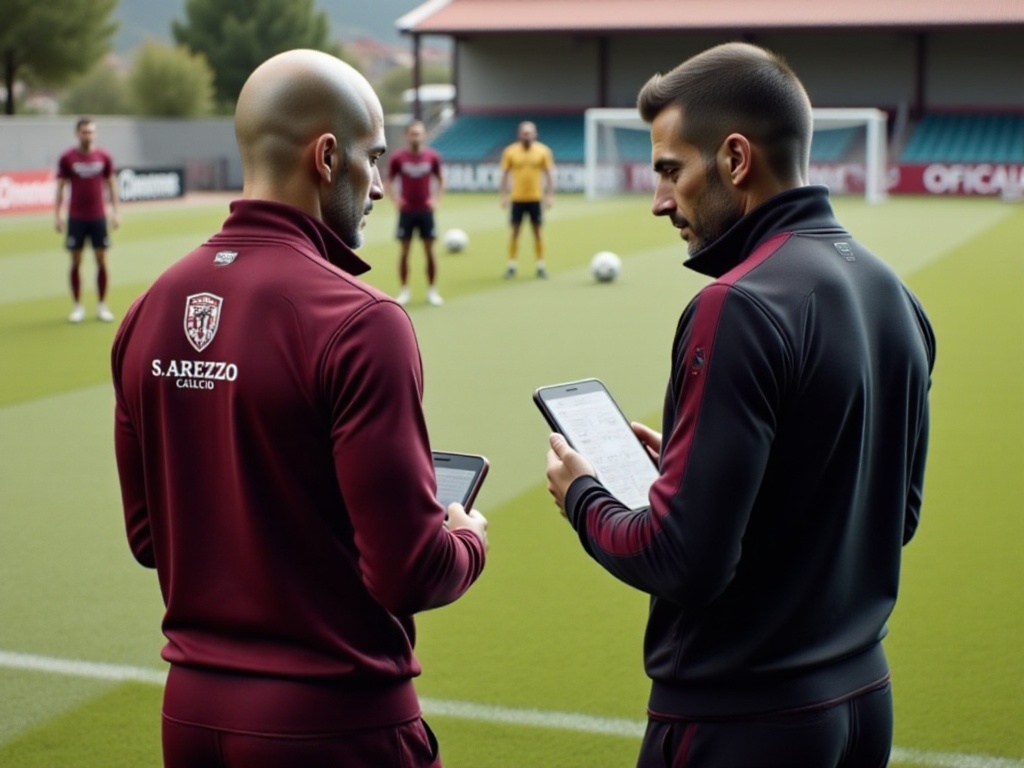
Culture begins here: Manager and Coach
My Assistant, Flavio, will keep his eyes and ears open for anything that the analytics don’t show, but Dynamics gives us the clearest view of how the squad feels about our direction. Because culture does not fall apart suddenly. It erodes quietly, one unhappy player at a time.
If we are proactive, honest, and consistent with our standards, then this screen will become a source of confidence rather than concern. It will show us a united squad who believe in what we are building and fight for each other through the toughest moments.
Because the real test of culture does not come when we are winning. It comes the moment we are not.



 The Gaffers Lounge
Leave a comment